Compressed by jpeg-recompress
The evolving global landscape of human rights has brought significant attention to the intersection of traditional African cultural values and Western notions of sexual rights. This intricate and frequently contentious discourse necessitates an appreciation of the cultural, legal, and ethical nuances surrounding sexual norms and practices in African societies, particularly in light of the growing influence of Western values that espouse individual rights and equality.
The question thus arises as to which parties are involved in this debate. The debate’s key stakeholders include African communities, Western human rights advocates, policymakers, and cultural leaders. African communities are characterized by a strong adherence to traditional values that emphasize a collective approach to life, the preservation of family honor, and the delineation of distinct gender roles. In contrast, Western human rights advocates espouse values that are centered on individual autonomy, gender equality, and the protection of the rights of the LGBTQ+ community. Those responsible for formulating and implementing legislation in both Western and African contexts have a significant influence on the way in which cultural and legal intersections are shaped.
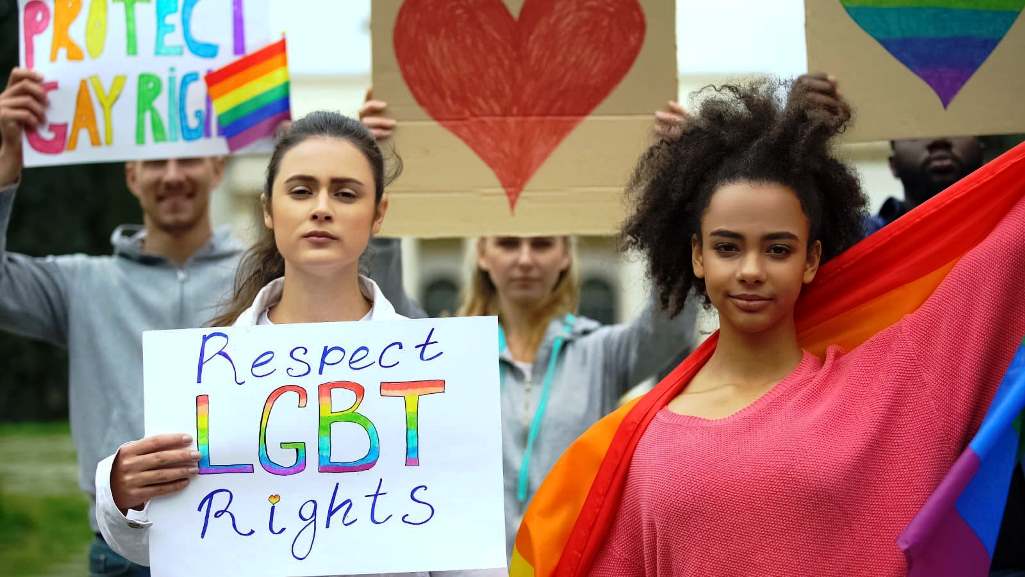
The central issue is the conflict between traditional African perspectives on sexuality and the influence of Western human rights principles. In traditional African values, sexual activity is often situated within the context of marriage, with a particular emphasis on procreation and the preservation of family honor. These values typically emphasize distinct gender roles and community cohesion. In contrast, Western perspectives advocate for individual autonomy, the right to personal choice regarding sexual behavior, and protection against discrimination, including for LGBTQ+ individuals.

This divergence has resulted in societal tensions and legal reforms. For example, Western-influenced legal frameworks in some African countries have introduced policies promoting gender equality and LGBTQ+ rights. These changes have occasionally been perceived as conflicting with traditional African norms. This has given rise to discussions concerning the relative merits of cultural preservation and human rights advancement.
The precise date is as yet undetermined. Historical Context and Contemporary Developments
Historically, African cultures have demonstrated a consistent approach to the conceptualization of sexuality and gender roles, which are situated within a broader cultural context that prioritizes communal values. However, the impact of globalization and Western influence has resulted in accelerated changes in recent decades. The advent of international human rights frameworks and enhanced access to information have facilitated a burgeoning discourse on sexual rights in Africa. In the contemporary era, legal reforms in various African nations have been implemented to align with international human rights standards. However, this has often resulted in tensions with traditional practices.
The geographical location in question is: Geographical and Cultural Variations
The conflict between traditional and Western values is not a uniform phenomenon across Africa. The experience of this tension differs across regions and cultures within the continent. To illustrate, in some East African countries, traditional norms regarding sexuality and gender roles are deeply entrenched, which gives rise to resistance against Western-inspired reforms. Conversely, in more urbanized or Western-influenced areas, there is often greater acceptance of progressive sexual rights and gender equality. It is therefore essential to gain an understanding of these geographical and cultural variations to navigate the complexities of this issue.
The question thus arises as to why. The underlying motivations and conflicts
The clash between traditional African values and Western sexual rights is driven by a multitude of factors. Traditional African values are rooted in a cultural emphasis on social cohesion and continuity, with a strong emphasis on community, family, and procreation. These values are deeply embedded in the social fabric and identity of many African communities.
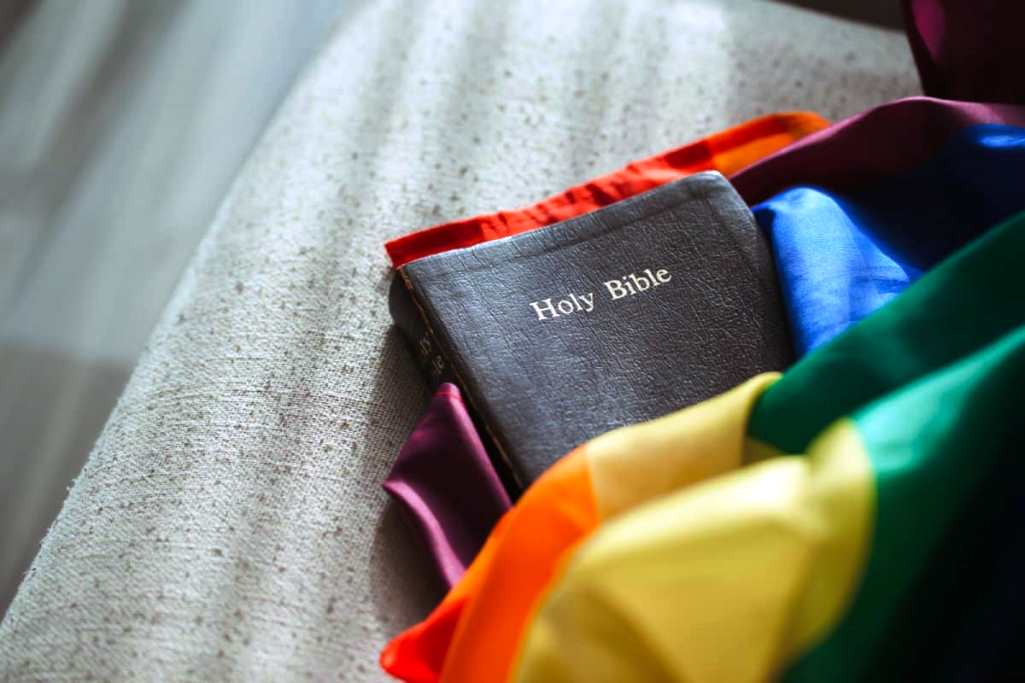
In contrast, Western sexual rights principles emphasize individual autonomy and protection from discrimination. These values are derived from a belief in universal human rights and aim to address inequalities and injustices faced by individuals. In addition, the aforementioned demographic includes women and members of the LGBTQ+ community. The source of the conflict is the perception that Western values are imposing external norms that challenge or undermine traditional cultural practices.
Points of Tension
The divergence between these disparate value systems gives rise to a multitude of manifestations. Debates surrounding issues such as LGBTQ+ rights and gender equality frequently become contentious in societies where conservative views on gender and sexuality prevail. Furthermore, a generational divide serves to compound the issue. Those belonging to younger generations are more inclined to espouse Western values, a tendency that can be attributed to their exposure to global perspectives and the educational opportunities they have enjoyed. In contrast, older generations are more reluctant to embrace changes that they perceive as a threat to traditional norms.
The role of the media and representation is also of significant importance. The portrayal of diverse lifestyles and values in Western media can shape perceptions, particularly among younger Africans. This influence has the potential to either challenge traditional norms or exacerbate cultural resistance.
Potential Pathways for Reconciliation
The reconciliation of traditional values and modern rights requires a nuanced approach. Open dialogue and education must be employed as tools for fostering understanding and respect for cultural contexts, while simultaneously promoting human rights. It is essential that policymaking is culturally sensitive and involves local communities in discussions to ensure that changes are respectful of traditions and supportive of human rights.
Hybrid approaches that integrate traditional values with modern rights may offer more sustainable solutions. For example, finding ways to address gender-based violence and inequality without completely disregarding cultural norms can facilitate more acceptable changes. Community engagement and inclusive dialogue are crucial for achieving a balance that respects cultural identity while promoting individual rights.
Ethical and Practical Considerations
From an ethical standpoint, the challenge lies in striking a balance between respecting tradition and protecting individual rights. Cultural relativism posits that practices should be understood within their cultural context, whereas universal human rights advocate for protections that transcend cultural boundaries. The objective is to establish a respectful equilibrium that acknowledges both perspectives.
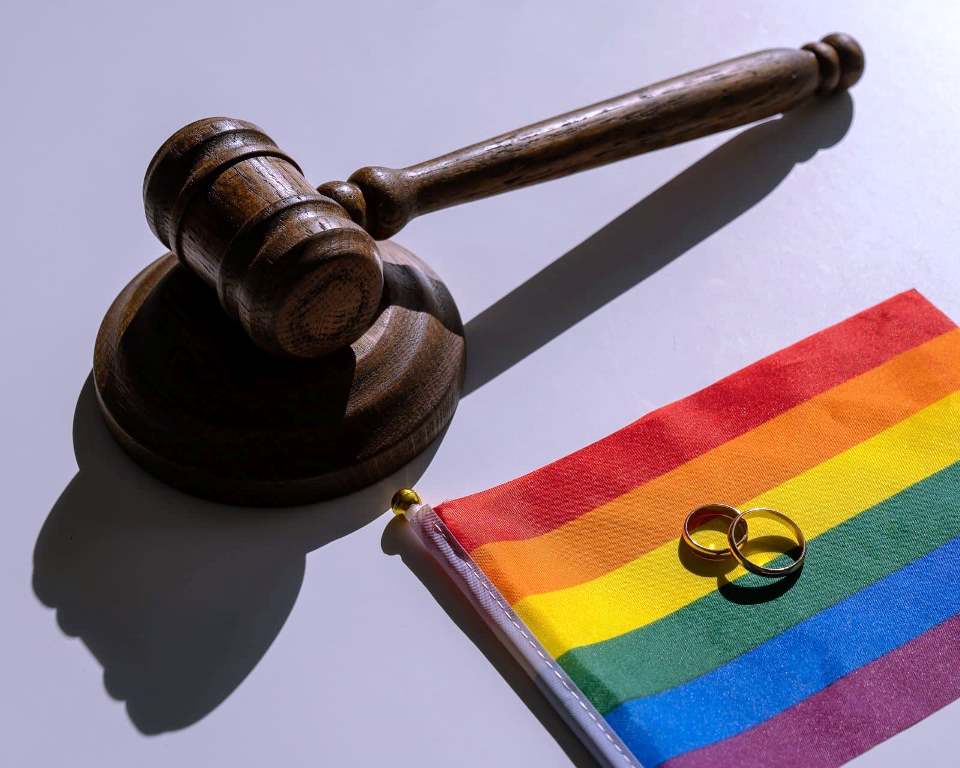
From a practical standpoint, implementing changes in a manner that is perceived as alien or externally imposed can give rise to resistance and social unrest. It has been demonstrated that gradual, inclusive approaches that involve local communities are often more effective. The involvement of traditional leaders and other key stakeholders can assist in facilitating a more seamless transition towards the integration of human rights principles.
The dialogue between traditional African values and Western sexual rights is intricate and multifaceted. It requires careful consideration of cultural, legal, and ethical dimensions. By fostering open dialogue, culturally sensitive policymaking, and community engagement, it is possible to navigate these complex issues and work toward solutions that respect both cultural traditions and individual rights. This balanced approach will be crucial in achieving a more harmonious coexistence of traditional values and modern human rights principles.
@Malliavin
About The Author