In recent years, Rwanda has made notable advancements in the development of its agricultural sector, largely due to the influx of substantial investments from various financial entities. Notably, the 2023/2024 investment in agriculture and livestock has been particularly substantial. This article examines the beneficial effects of these investments on Rwanda’s food security and the financial resilience and stability of its farmers.
The principal beneficiaries of these investments are Rwandan farmers and their families. The objective of these investments is to enhance the livelihoods of farmers by improving agricultural practices and livestock management, thereby ensuring that they have the resources and support needed to thrive. Additionally, the entire Rwandan population benefits from enhanced food security and a more stable agricultural sector.
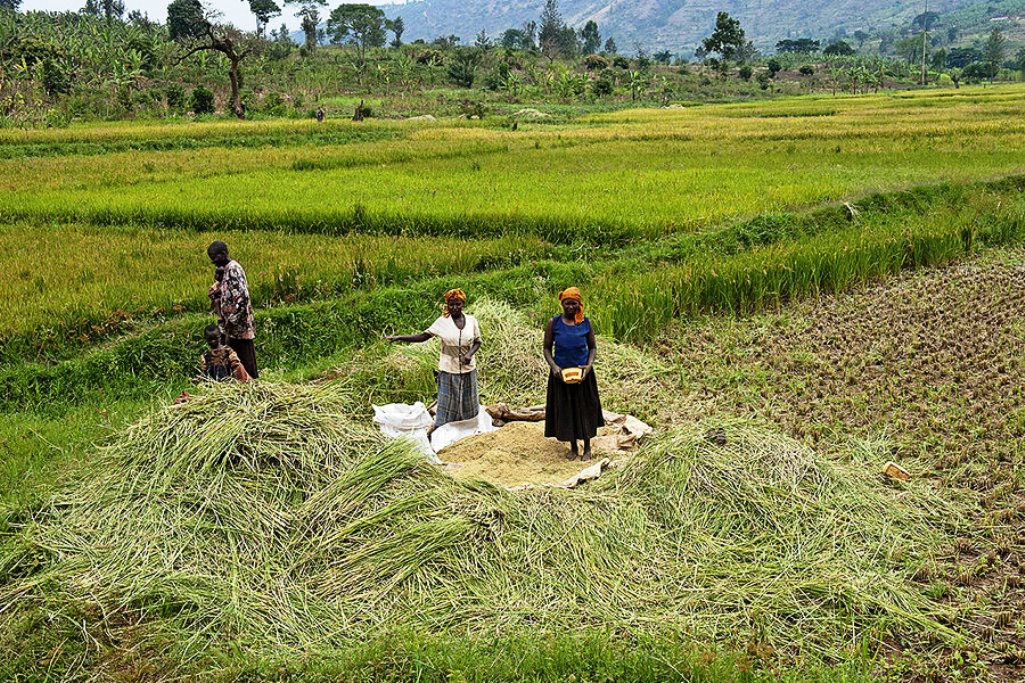
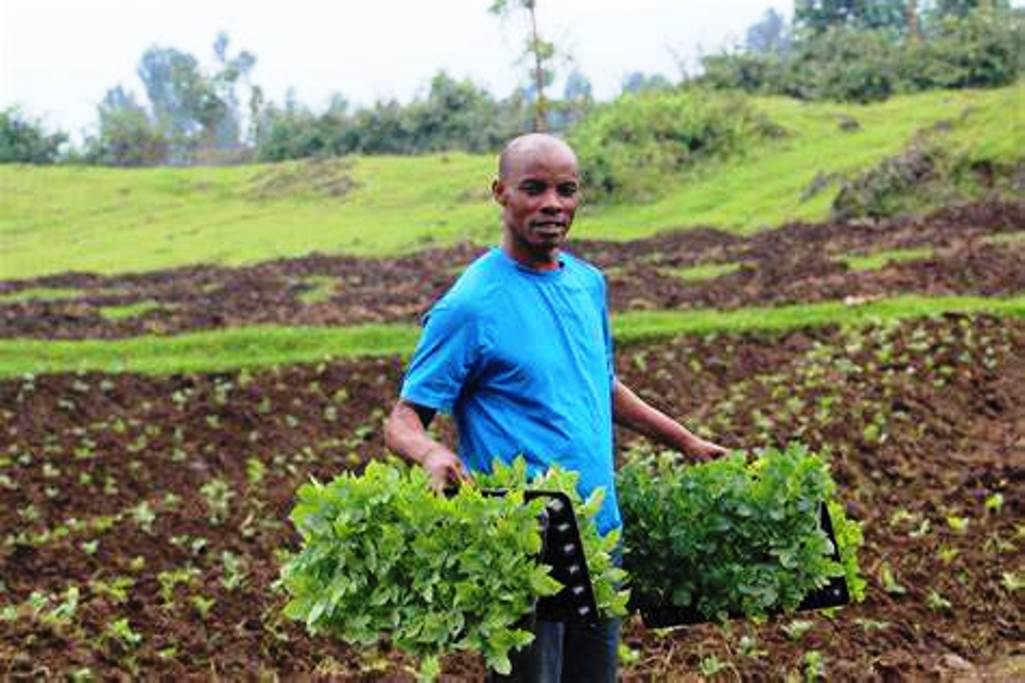
The issue at hand is the necessity to enhance food security and financial resilience for farmers in Rwanda. The investments have concentrated on three key areas: the expansion of selected crops, the enhancement of seed production, and the improvement of livestock health and productivity. For example, during the initial phase of the crop cycle, 764,448 hectares of land were consolidated, which was slightly below the planned 783,956 hectares. Crops including corn, beans, potatoes, soybeans, rice, wheat, and vegetables were planted across extensive areas, resulting in a notable increase in agricultural output.
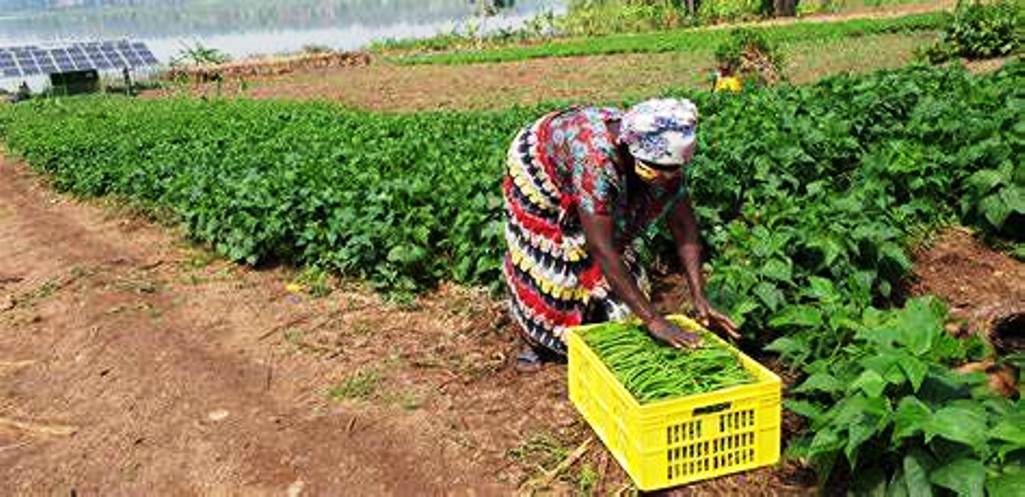
The implementation of these investments has been conducted throughout the 2023/2024 agricultural seasons. In the initial season, 764,448 hectares were cultivated, while in the subsequent season, 576,004 hectares were planted, exceeding the planned 541,252 hectares. The timely distribution of essential fertilizers and the focus on domestic seed production have played a crucial role in enhancing agricultural productivity during these periods. One might inquire as to the location of this phenomenon.
The impact of these investments is discernible throughout Rwanda, with a variety of regions deriving benefits from the enhanced cultivation and refined livestock management practices. The land consolidation program and the distribution of fertilizers and seeds have been implemented on a nationwide scale, thereby ensuring that farmers in disparate regions of the country can benefit from these initiatives.
It is of paramount importance for Rwanda’s overall development that food security and financial resilience for farmers be enhanced. The agricultural sector plays a pivotal role in the country’s economy, and ensuring its stability is of the highest importance for the well-being of the population. The investments are designed to address several challenges that have historically delayed the sector’s growth, including low productivity, poor livestock health, and limited access to quality seeds and fertilizers.
The investments have concentrated on several pivotal areas to address these challenges.
1.The expansion of cultivated areas represents a crucial aspect of this strategy. By consolidating land holdings and increasing the cultivated area, Rwanda has been able to achieve a significant increase in agricultural output. For example, corn was planted on 253,030 hectares, beans on 367,366 hectares, and potatoes on 52,001 hectares.
2. The enhancement of seed production is a further area of focus. The season B 2024 initiative has concentrated on the domestic production of seeds, resulting in a yield of 6,909.2 tons of seeds, including 5,989.2 tons of corn, 161.5 tons of wheat, 220.5 tons of soybeans, 227.9 tons of beans, and 309.9 tons of rice.
3. The objective of the program is to improve livestock health. Programs designed to preserve animal health and enhance production through breeding have resulted in the insemination of 60,427 cows and the birth of 25,421 calves. Furthermore, over 1.6 million animals were vaccinated against Foot and Mouth Disease, 1,651,627 animals were vaccinated against Lumpy Skin Disease, and approximately 71,050 animals were vaccinated against Brucellosis.
4. The provision of essential fertilizers was facilitated, with 67,172.6 tons distributed during the initial phase of the crop cycle, exceeding the anticipated quantity of 33,188 tons.
5. Insurance programs: Agricultural and livestock insurance programs have been implemented, encompassing 31,964 cows, 214,487 chickens, and 8,211 pigs, thereby affording farmers financial protection. The total area of land devoted to the cultivation of corn is 984.4 hectares, while 22 hectares are planted with pepper, 384 hectares with beans, and 436.7 hectares with soybeans.
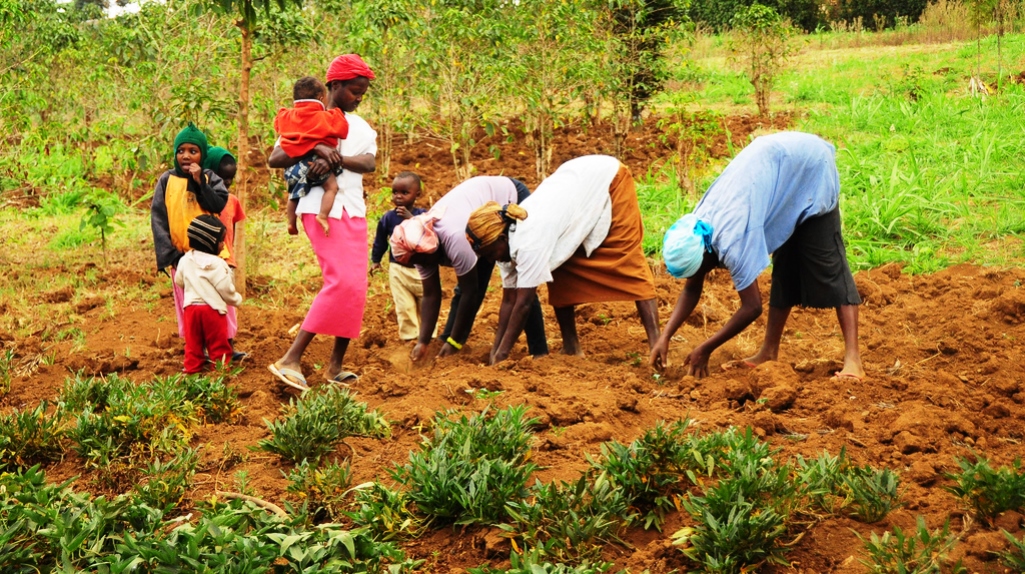
The Fund’s investment in agriculture and livestock in 2023/2024 has had a positive impact on Rwanda’s food security and the financial resilience and safety of its farmers. By addressing key challenges and implementing comprehensive measures, these investments have enhanced agricultural productivity, improved livestock health, and provided financial protection for farmers. As Rwanda continues to develop its agricultural sector, these initiatives will play a crucial role in ensuring the well-being and prosperity of its population.
@Rebero.rw
About The Author