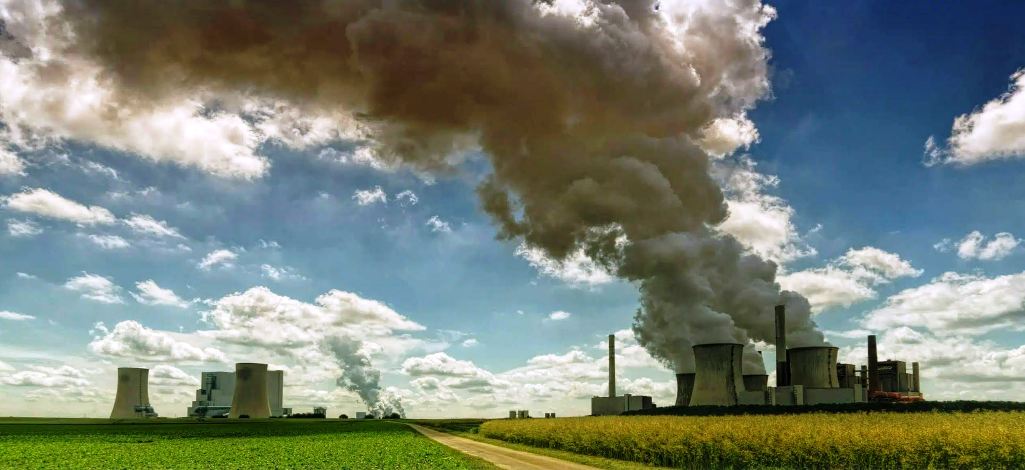
The indirect emissions represent a pivotal element of Rwanda’s strategy for curbing agricultural emissions. In the context of agriculture, indirect emissions are defined as those resulting from activities not directly related to farming but still associated with agricultural production. Such emissions may be generated by the production and transportation of fertilizers and pesticides, alterations to land use, and the utilization of energy in agricultural processes.
The focus on indirect emissions can yield benefits for Rwanda in several ways.
1. Fertilizer and Pesticide Use: It is possible for Rwanda to reduce emissions by improving the efficiency with which fertilizers and pesticides are used. This entails the adoption of precision agriculture techniques, the optimization of application rates and the utilization of alternative products with reduced emission intensities.
2. Energy efficiency is a crucial aspect of sustainable agricultural development. The reduction of emissions associated with energy use in agriculture may be achieved through the transition to renewable energy sources for irrigation and processing, the improvement of energy efficiency in machinery, and a reduction in the reliance on fossil fuels.
3. The topic of land use and land use change is of great importance in the context of climate change. The implementation of efficacious land management practices that eschew deforestation and encourage reforestation can serve to offset agricultural emissions. Furthermore, Rwanda has the potential to priorities the enhancement of soil health through the implementation of sustainable practices that facilitate carbon sequestration.
4. Improvements to the supply chain: A further area meriting attention is the reduction of emissions from transportation and logistics in the agricultural supply chain. This may entail optimising transport routes, investing in more efficient vehicles, or improving storage facilities to reduce spoilage and waste.
5. The term “Integrated Pest Management” (IPM) is used to describe a systematic approach to pest control that combines biological, chemical, and physical methods. The implementation of IPM practices has the potential to reduce the necessity for chemical pesticides, thereby lowering the associated indirect emissions.
By addressing these indirect sources of emissions, Rwanda can achieve more comprehensive and effective reductions in overall agricultural emissions. Furthermore, this approach is aligned with the country’s broader goals for climate resilience and sustainable development.
The question thus arises as to which parties are involved. It is imperative that the Rwandan government, agricultural stakeholders and environmental organisations collaborate to address the country’s agricultural emissions. Those engaged in agricultural activities, in addition to those responsible for formulating and implementing policy, and those engaged in research, are all involved in the implementation and support of strategies designed to reduce these emissions.
The term “indirect emissions in agriculture” refers to emissions that are not directly emitted by farming activities but are associated with them. These include emissions from fertilizer production, pesticide use, energy consumption, land use changes, and supply chain processes. Reducing these emissions is of paramount importance for Rwanda to achieve its climate change objectives and enhance the sustainability of its agricultural sector.
The question of when is a matter of some debate. The addressing of indirect emissions is an ongoing process, but it has become increasingly urgent in recent years due to Rwanda’s commitments to ambitious climate targets and sustainable development goals. Immediate measures are being implemented as part of Rwanda’s comprehensive climate strategy, with long-term objectives extending to 2030 and beyond.
The geographical location of the aforementioned emissions is as follows: The focus is on Rwanda, a country with a significant reliance on agriculture, which is a major contributor to its greenhouse gas emissions. Efforts are being made across various regions of the country, from rural farming areas to urban centres where agricultural products are processed and consumed.
The rationale for reducing indirect emissions is multifaceted.
1. Climate Goals: Rwanda has set itself the objective of reducing its greenhouse gas emissions and enhancing its climate resilience. Tackling indirect emissions is a key part of this strategy, helping the country to meet its Nationally Determined Contributions (NDCs) under the Paris Agreement.

2.The term “sustainable agriculture” is used to describe a farming system that is environmentally responsible and economically viable, and which can be maintained in the long term. The agricultural sector is a significant contributor to the Rwandan economy, and enhancing its sustainability is crucial for ensuring food security and economic stability. By concentrating on indirect emissions, Rwanda can implement more environmentally friendly agricultural practices.
3. From an economic standpoint, the objective is to achieve the greatest possible efficiency. Furthermore, the reduction of emissions may result in cost savings. To illustrate, enhancing the efficacy of fertilizer utilization and energy consumption can reduce operational costs for farmers.
4.The environmental impact of this approach can be considered in terms of the following factors: The mitigation of indirect emissions serves to safeguard natural resources, including soil and water, while also attenuating the deleterious effects of climate change on agriculture.
The methodology employed is as follows: A variety of strategies are currently being employed with the objective of reducing indirect emissions.
1.The utilization of improved techniques for the application of fertilizers and pesticides represents a key strategy for the reduction of indirect emissions. The implementation of precision agriculture techniques can facilitate the optimal utilization of fertilizers and pesticides, thereby reducing the associated emissions. This encompasses the utilization of more efficacious application methodologies and the investigation of alternative, less emission-intensive products.
2.The enhancement of energy efficiency is a crucial aspect of reducing agricultural emissions. The transition to renewable energy sources for irrigation and processing, coupled with enhanced energy efficiency in agricultural machinery, can result in a notable reduction in emissions associated with energy utilization.
3.The concept of sustainable land management encompasses a range of practices aimed at maintaining the long-term productivity and environmental integrity of land resources. The implementation of practices designed to prevent deforestation and promote reforestation has the potential to offset agricultural emissions. The enhancement of soil health through the implementation of sustainable farming practices has also been demonstrated to facilitate the sequestration of carbon.
4. Optimising the Supply Chain: Reducing emissions from the agricultural supply chain involves improving transportation logistics, investing in efficient vehicles, and enhancing storage facilities to minimise waste and spoilage.
5.The term “Integrated Pest Management” (IPM) is used to describe a systematic approach to pest control that combines biological, chemical, and physical methods. The implementation of IPM practices has the potential to reduce the reliance on chemical pesticides, consequently lowering the associated indirect emissions.
In conclusion, a focus on indirect emissions provides Rwanda with a viable pathway to substantial reductions in agricultural greenhouse gases. By improving fertilizer and pesticide use, enhancing energy efficiency, managing land sustainably, optimizing supply chains, and implementing IPM practices, Rwanda can advance its climate goals, support sustainable agriculture, and protect its natural resources. Addressing these indirect sources of emissions will play a pivotal role in the country’s efforts to build a more resilient and environmentally friendly agricultural sector.
@Malliavin
About The Author