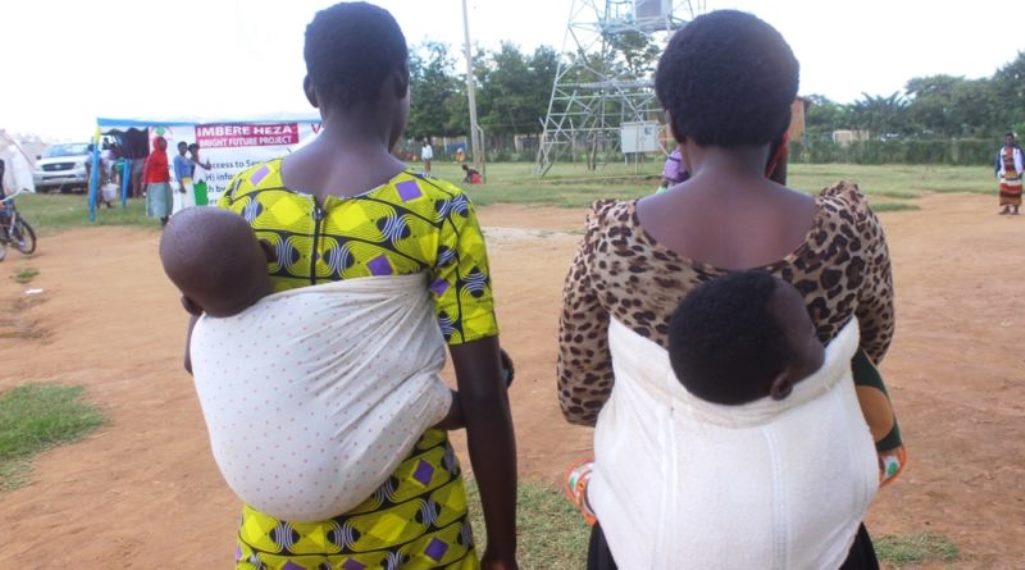
Unplanned pregnancies present a significant challenge in Rwanda, where the national fertility rate is approximately 4.1 children per woman as of 2020 (National Institute of Statistics of Rwanda, 2021). A lack of adequate knowledge about reproductive health is a significant contributing factor to this issue, particularly among young people. As indicated by the findings of the Rwanda Demographic and Health Survey (2019), approximately 20% of women between the ages of 15 and 19 have initiated childbearing, underscoring the urgent necessity for the implementation of efficient educational interventions. Between 2016 and 2023, reports indicate that approximately 250,000 adolescents faced unplanned pregnancies, underscoring the gravity of the situation.
Which demographic is affected?
Young people in Rwanda, particularly women aged 15-24, are disproportionately affected by unplanned pregnancies. These individuals frequently lack access to accurate information regarding reproductive health, which can result in the formation of misconceptions and engagement in risky behaviors. A report from the National Youth Council (2021) indicates that over 50% of youth have insufficient knowledge about contraception and reproductive health services. This knowledge gap significantly increases their vulnerability to unplanned pregnancies and sexually transmitted infections.
What are the Causes?
The principal factor contributing to the elevated incidence of unplanned pregnancies is the dearth of comprehensive reproductive health education provided to young people. A significant number of educational institutions do not integrate comprehensive sexual education into their curricula, which leaves students lacking the necessary information regarding contraceptive methods and safe sexual practices. Additionally, cultural prohibitions against discussing sexual health issues contribute to the problem, as young people frequently feel uneasy seeking information or assistance from parents, educators, or healthcare providers. One might inquire as to the location of such incidences.
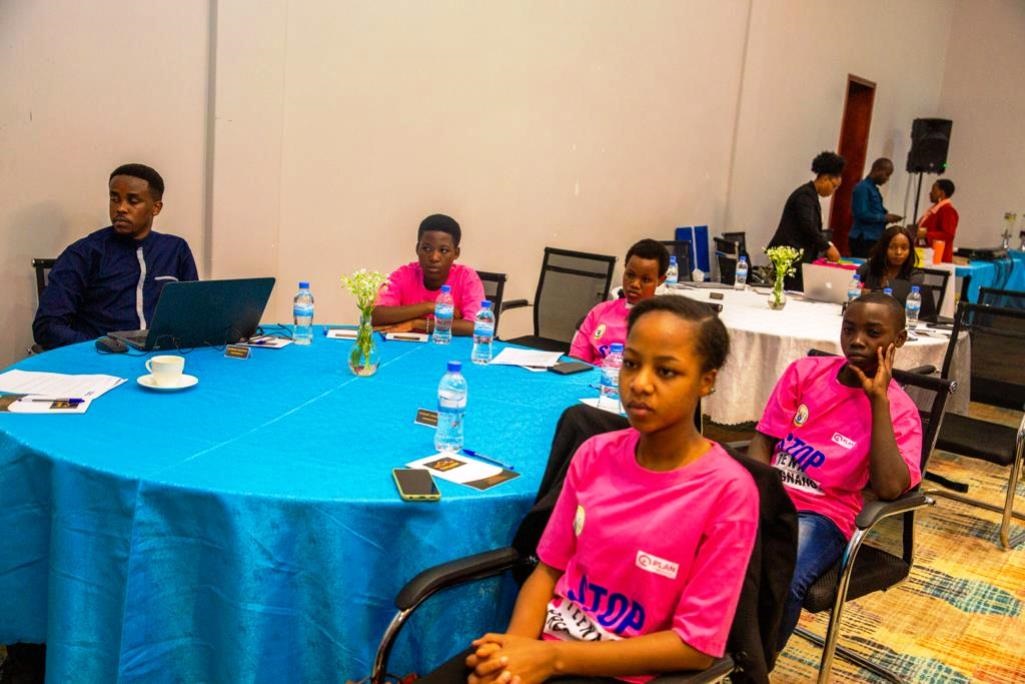
The issue of unplanned pregnancies is a significant concern across the country, but it is particularly prevalent in rural areas where access to education and healthcare services is limited. The 2019 Rwanda Demographic and Health Survey indicates that young women in rural regions are less likely to utilize modern contraceptive methods in comparison to their urban counterparts, which contributes to elevated rates of unplanned pregnancies within these communities.
At what age do these pregnancies occur?
The issue frequently emerges during adolescence, a pivotal developmental stage during which young people are engaged in the process of identity formation and the exploration of relationships. In the absence of adequate guidance, many individuals engage in sexual activity without a full comprehension of the potential consequences, including the possibility of pregnancy. Data from the Ministry of Health indicate that nearly 30% of adolescents report having engaged in sexual intercourse by the age of 18, underlining the necessity for the dissemination of timely and accurate information about reproductive health.
It is therefore important to address this issue.
The lack of knowledge regarding reproductive health is a significant factor affecting the overall well-being of young people in Rwanda. Unplanned pregnancies can result in a cycle of poverty and limited opportunities, as young mothers may be forced to drop out of school or encounter difficulties in the job market. Moreover, these pregnancies can have significant health implications, increasing the risk of maternal and infant mortality. By providing young people with the requisite knowledge and resources, Rwanda can facilitate healthier choices and enhance the overall quality of life for its youth.
Proposed Solutions
To address the increasing prevalence of unplanned pregnancies, comprehensive reproductive health education must be incorporated into the school curriculum on a national scale in Rwanda. Community-based workshops and outreach initiatives can also serve as an invaluable resource for educating both young people and their families about reproductive health. Collaborations with non-governmental organizations (NGOs) and healthcare providers can facilitate access to contraceptives and sexual health services, thereby ensuring that young people have the support they need to make informed decisions.
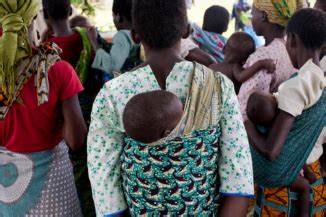
The high incidence of unplanned pregnancies among young people in Rwanda is a significant public health concern that can be attributed to a lack of comprehensive reproductive health education. By addressing this knowledge gap through targeted education and community-based outreach, Rwanda can empower its youth to make informed reproductive health decisions, eventually reducing the rates of unplanned pregnancies and improving the overall health and well-being of future generations.
@Rebero.rw
About The Author