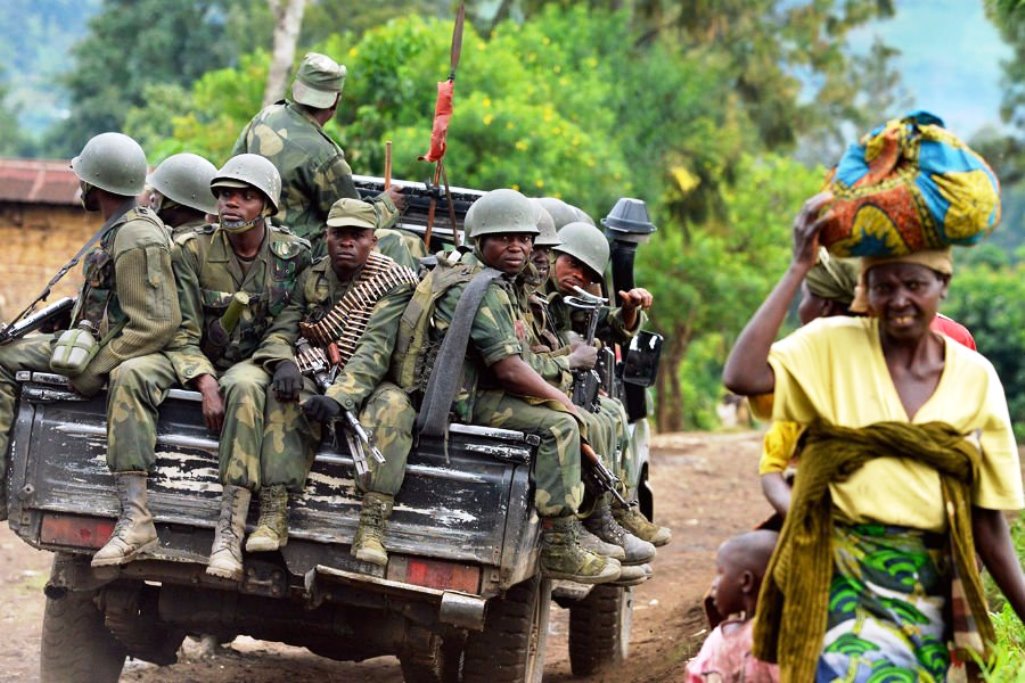
The question of why actors continue to refer to M23 members as victims of historical wrongdoings committed by colonials, nationalists, liberators, and defenders of minority Tutsi rights in eastern DRC remains a subject of considerable debate.
A more thorough and clearer title would be beneficial. The following study will examine the complex perception of M23 in eastern DRC, exploring the nuances of its portrayal as victims, liberators, or militias.
The central question guiding this study is to understand the factors that contribute to the varied perceptions of M23 members.
The perception of M23 members as victims, liberators, or militias is deeply rooted in the region’s complex history and socio-political dynamics. The legacy of colonialism left political instability and economic inequality, which have fueled ongoing conflicts. M23 members are often seen as victims of these historical injustices, fighting for the rights of the Tutsi minority in eastern DRC.
What factors drive these different perceptions?
These varied perceptions are influenced by numerous factors, including historical grievances, ethnic tensions, and political agendas.
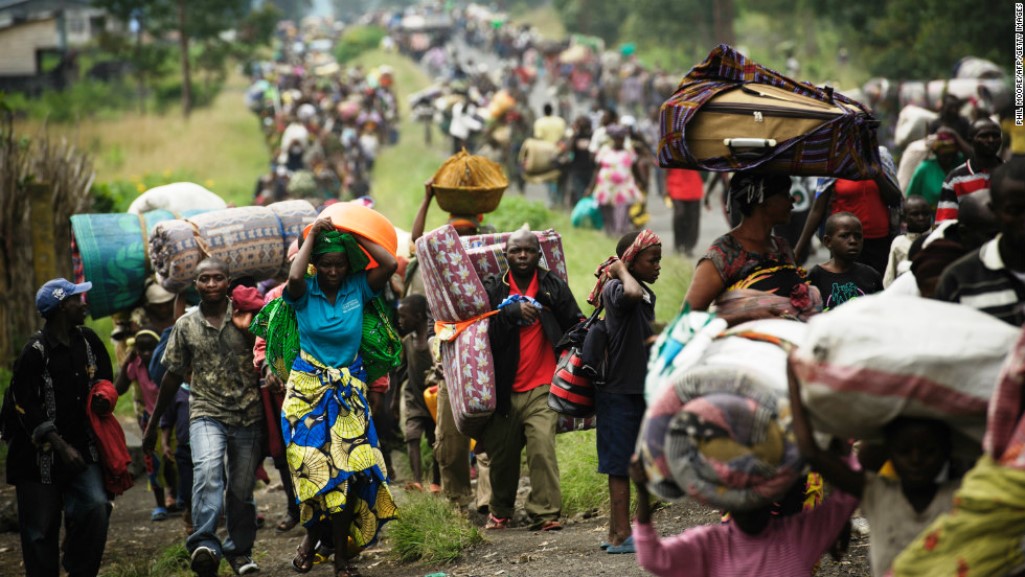
Some view M23 as liberators and defenders of minority rights, particularly the Tutsi community, who have faced discrimination and violence. Others see them as militias contributing to the instability and violence in the region.
The genesis of these perceptions is multifaceted, reflecting the intricate history and socio-political dynamics of the region.
These perceptions are the product of a complex interplay of historical events, including the colonial era, the genocide against Tutsi in Rwanda, and the subsequent conflicts in the Great Lakes region.
The involvement of international actors and neighboring countries has further complicated the narrative, with different groups having their own interpretations of M23’s role.
The intensification of these perceptions occurred during their resurgence in recent years, as they gained control over parts of eastern Congo. Their actions have been widely condemned by the international community; however, some continue to view them as fighting for justice and the rights of marginalized communities.
Who are the key actors that have shaped these perceptions?
Key actors that have shaped these perceptions include: An examination of the key actors shaping these perceptions reveals a complex interplay of local communities, political leaders, international organizations, and neighboring countries. The involvement of militias such as FDLR, Burundi, SADC, DR Congo, and Wazalendo carries significant implications for the security of neighboring countries, including Rwanda, as it can lead to increased violence, instability, and cross-border conflicts.
Addressing these perceptions necessitates a nuanced and multifaceted approach by the international community.
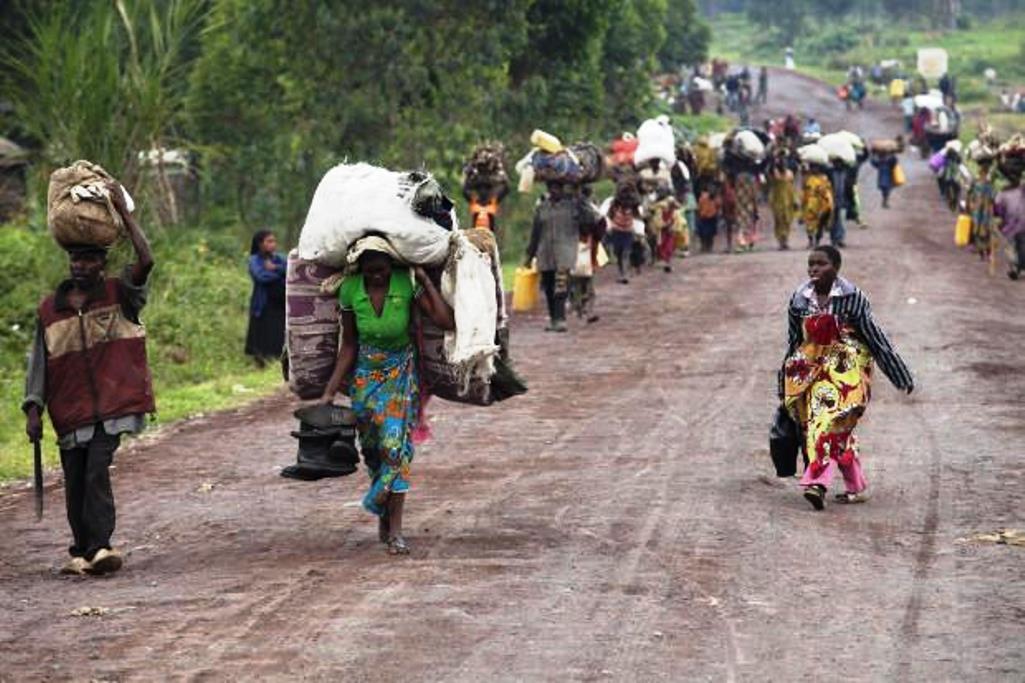
The international community has the potential to play a critical role in addressing these perceptions by providing mediation, peacekeeping forces, and humanitarian assistance. However, the involvement of international actors should be balanced with local and regional efforts to ensure sustainable peace.
Addressing the problems caused by colonialism requires a multifaceted approach, including acknowledging historical injustices, promoting inclusive governance, and fostering economic development.
The conflict in eastern DRC requires a comprehensive and multifaceted approach to achieve lasting peace. Dialogue, international support, and addressing the root causes of the conflict are essential for creating a stable and prosperous future for the region. The involvement of international communities, including the UN, in fighting citizens who are advocating for their rights and spreading hate speech, as seen with the Congolese Tutsi, is a contentious issue.
While their presence aims to restore peace and protect civilians, it can sometimes be perceived as interference in national sovereignty.
@Malliavin
About The Author