The issue of drug use among young people in Rwanda has become a matter of growing concern, attracting the attention of policymakers, educators, and community leaders (UNODC, 2023). As Rwanda progresses economically and socially, the challenges confronting its youth evolve, with substance abuse emerging as a notable concern. This issue is shaped by several factors, including socioeconomic pressures, mental health issues, and cultural influences.
It is therefore essential to gain an understanding of these elements to develop effective strategies for addressing and mitigating the problem. This article provides a comprehensive overview of drug use among Rwandan youth, examining the following key areas, who is affected, what substances are used, when and where the use occurs, why it occurs, and how it occurs. It also suggests potential intervention strategies.
Which demographic is affected?
The impact of drug use is predominantly felt among adolescents and young adults in Rwanda. This demographic is particularly susceptible due to the developmental stages they are currently undergoing, the influence of peer groups, and the transitional life phases they are experiencing (Rwandan Ministry of Health, 2023).
The consequences are significant and persistent, impacting students, unemployed youth, and individuals undergoing significant life transitions (Sallmann & VanderMolen, 2022).
What are the characteristics of this issue?
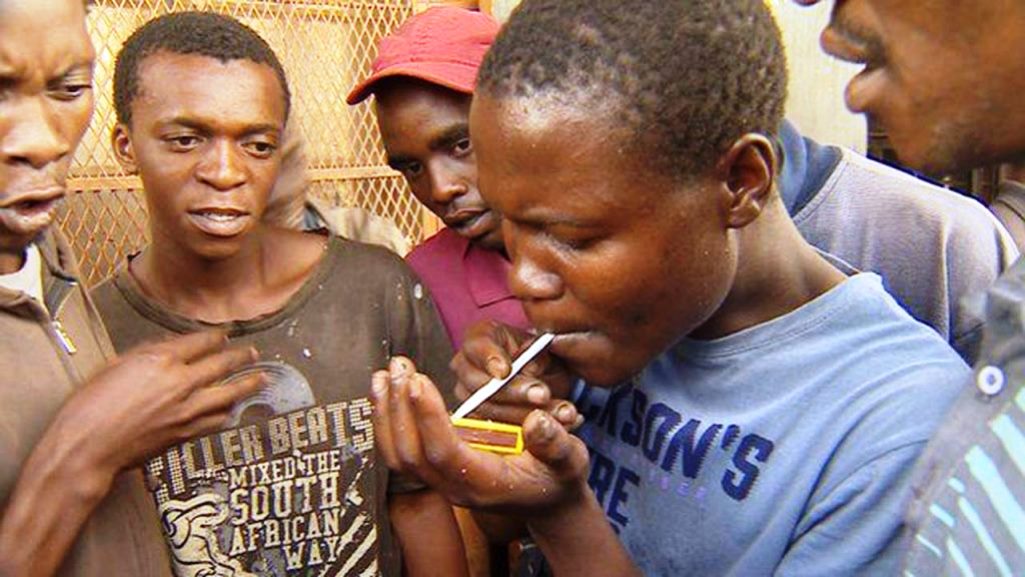
The term “drug use among Rwandan youth” encompasses the use of illicit substances, including marijuana and cocaine, as well as the inappropriate use of prescription drugs (UNODC, 2023). The misuse of these substances has been linked to a range of adverse effects, including health problems, impaired cognitive function, and negative social consequences. Recent trends indicate a rising prevalence of drug use among youth, reflecting broader socio-economic changes and evolving cultural attitudes (Human Rights Watch, 2023). This issue manifests in behaviors that impact educational attainment, employment prospects, and overall well-being.
Where is the problem most serious?
The prevalence of drug use is a significant concern in both urban and rural areas of Rwanda. In urban areas, where drugs may be more readily available, young people may come into contact with substances through social gatherings and peer networks. In contrast, rural areas experience less overt drug use, yet still contend with challenges shaped by local circumstances and accessibility (UNODC, 2023).
At what point did this issue first come to the attention of the relevant authorities?
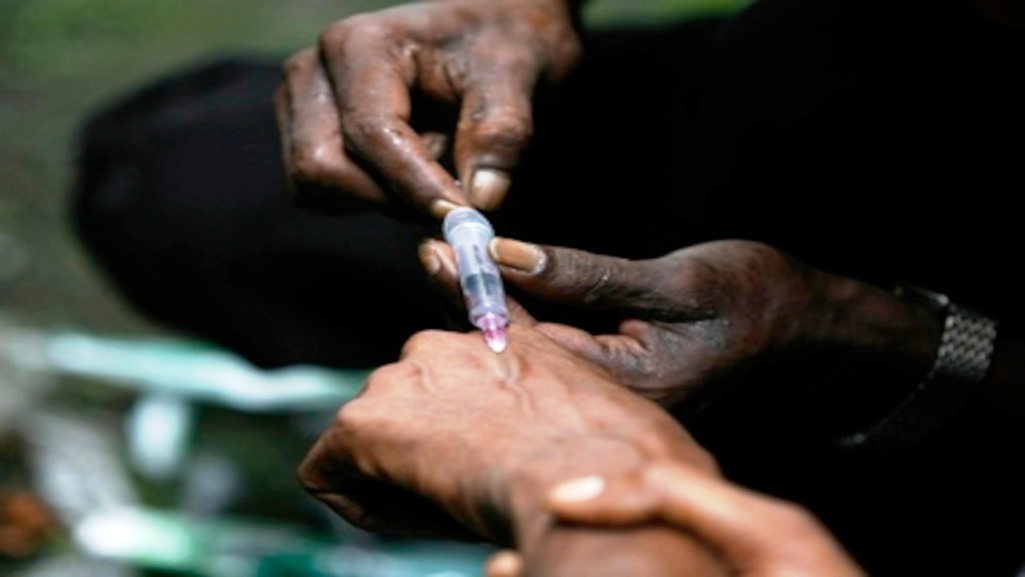
The issue of drug use among Rwandan youth has attracted increasing attention in recent years. Although substance abuse has been a concern for some time, recent trends have indicated an increase in prevalence among younger populations. This trend reflects both the socio-economic transformations within Rwanda and shifts in cultural attitudes towards drug use (Rwandan Ministry of Health, 2023).
What are the underlying causes of the observed increase in drug use?
The motivations behind drug use among Rwandan youth are complex and multifaceted. Socioeconomic factors are a significant contributing element to the rise in drug use among the younger population. Economic adversity, including elevated unemployment and poverty rates, can prompt young individuals to turn to drug use as a means of coping (World Bank, 2022).
The influence of peers and social factors: Adolescents are particularly vulnerable to the influence of their peers. The aspiration to conform or to appear ‘cool’ frequently results in experimentation with drugs (Sallmann & VanderMolen, 2022).
Mental health issues are a significant contributing factor. A considerable proportion of young people are confronted with unaddressed mental health concerns, such as anxiety or depression, and may resort to substance use as a form of self-medication (Human Rights Watch, 2023).
A further factor contributing to this problem is the lack of awareness and education. Inadequate education about the dangers of drug use contributes to the problem. Without comprehensive knowledge, young people may not fully understand the long-term consequences of substance abuse (UNODC, 2023).
Cultural and societal factors and traditional practices can influence perceptions and behaviors related to drug use (World Bank, 2022).
What measures might be taken to resolve this issue?
To adequately address the issue of drug use among Rwandan youth, a comprehensive approach is required. Educational programs must be implemented to raise awareness about the dangers of drug use. It is of chief importance to expand educational programs in schools and communities to raise awareness about the risks associated with drug use. Communication strategies must be designed in a manner that resonates with young audiences (Rwandan Ministry of Health, 2023).
Prevention programs and initiatives that provide alternative activities and foster resilience may serve to diminish the appeal of drug use. The involvement of young people in constructive activities has been identified as a protective factor (Sallmann & VanderMolen, 2022).
Mental health support is a crucial element in the prevention and treatment of substance use disorders. The provision of accessible mental health services and early intervention can address the underlying issues that contribute to drug use (Human Rights Watch, 2023).
Economic development opportunities and the alleviation of poverty can serve to reduce the pressures that drive the abuse of substances. The provision of support for job prospects and entrepreneurship has the potential to exert a considerable influence (World Bank, 2022).
Community engagement to collaborate with community leaders, educators, and health professionals to establish a supportive environment that addresses drug use in a comprehensive manner (UNODC, 2023).
The issue of drug use among Rwandan youth requires a unified approach involving multiple societal sectors. By elucidating the underlying causes and implementing targeted interventions, Rwanda can work towards reducing substance abuse and promoting healthier futures for its younger generation.
@Rebero.rw
About The Author