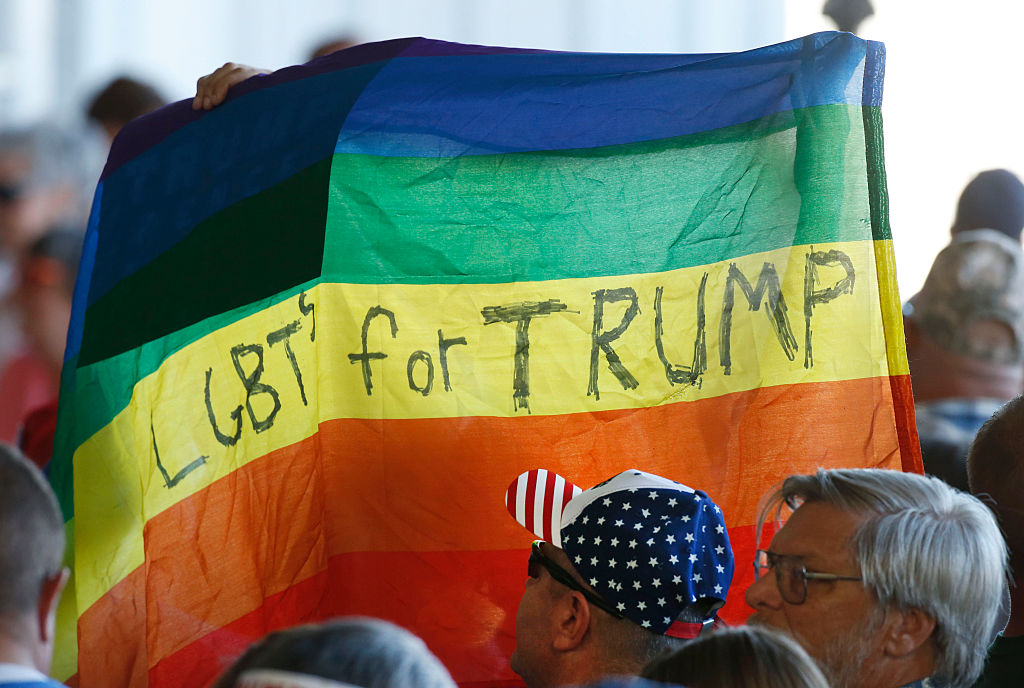
In history for state legislative attacks against the LGBTQ community and a record-breaking year for anti-transgender legislation.
Donald Trump’s approach to LGBTQ+ rights has been a source of intense debate and concern over the years. Throughout his political career, his actions and policies have had a significant impact on the LGBTQ+ community, particularly on transgender individuals. This has led to important discussions about human rights, equality, and the ongoing fight against discrimination.
The people most affected by Trump’s policies include transgender individuals, LGBTQ+ advocacy organizations, conservative groups, and the wider public. These policies have sparked strong reactions, with some seeing them as necessary for protecting traditional values, while others view them as harmful and discriminatory.
Key Policies Affecting LGBTQ+ Rights
Some of the most notable actions Trump has taken in relation to LGBTQ+ rights include:
Transgender Ban in the Military: In 2017, Trump introduced a policy that barred transgender individuals from serving in the U.S. military. This move was met with backlash from LGBTQ+ activists and was seen by many as an attack on transgender people’s rights.
Ban on Transgender Surgeries for Minors: During his recent 2024 campaign, Trump pledged to implement a nationwide ban on transgender surgeries for minors if he were re-elected. This is another point of contention, with advocates arguing that it infringes on medical autonomy and personal rights.
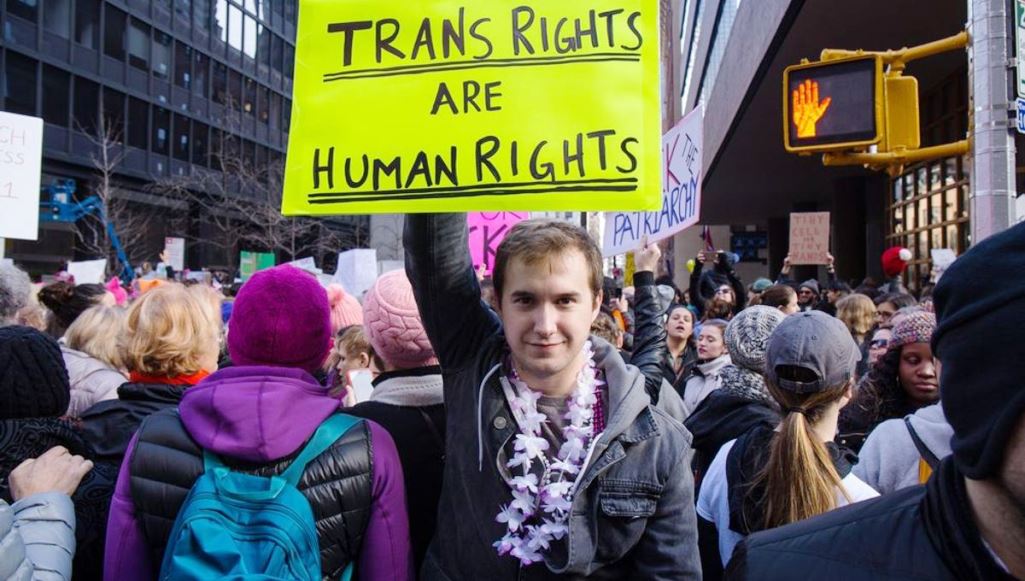
It only took a few months for 2021 to be declared the worst year in U.S
Trump’s policies regarding LGBTQ+ rights have not remained static. Throughout his first term (2017-2021), his administration took several actions aimed at restricting rights for the LGBTQ+ community. More recently, his campaign for re-election in 2024 has proposed new measures that would further limit those rights.
These policies have been implemented at the federal level, but their effects are felt differently depending on the state. Some states have passed their own laws to either support or challenge Trump’s federal policies, creating a patchwork of protections and restrictions for LGBTQ+ individuals across the country.
Supporters of Trump’s policies argue that they are designed to protect children and uphold traditional family values. They often claim that restricting access to certain medical treatments for transgender minors is necessary to prevent irreversible decisions at a young age. On the other hand, critics argue that these policies are harmful and violate human rights. They point to the mental health risks and discrimination that transgender individuals face, particularly when they are denied access to gender-affirming care and treated as second-class citizens.
Trump’s policies have been enacted through a combination of executive orders, legislative actions, and judicial appointments. For example, the ban on transgender service members was introduced through a presidential memorandum, and other measures have been implemented in ways that sidestep broader legislative approval.
The future of LGBTQ+ rights in the U.S. remains uncertain. With changing political leadership, fluctuating public opinions, and ongoing legal battles, the trajectory of these rights will continue to evolve. Trump’s policies have stirred up much controversy and have been a focal point in the ongoing struggle for equality and human dignity. For many in the LGBTQ+ community, these policies represent a real threat to their rights and well-being.
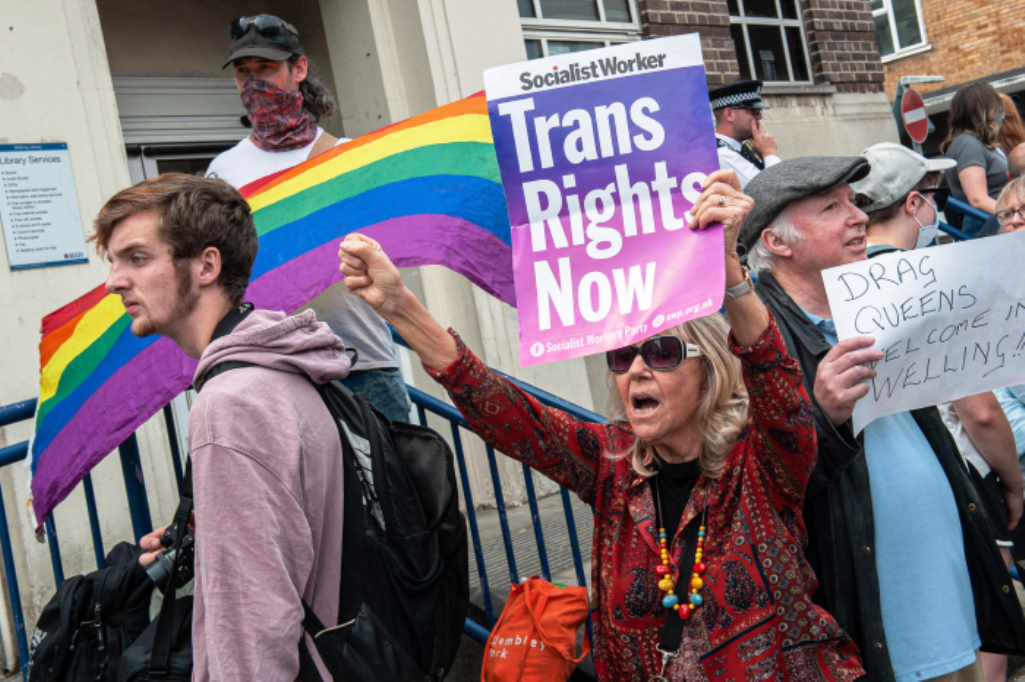
As we navigate these complex issues, it’s important to approach them with empathy and respect. The decisions being made today will shape the future for millions of LGBTQ+ individuals, and understanding the human impact of these policies is essential in working toward a more just and equal society.
@Rebero.rw
About The Author