Rwanda, often referred to as the “land of a thousand hills,” is making significant strides in transforming its agricultural sector. The production of food and the agricultural sector are not only vital for the sustenance of populations but also serve as powerful engines for sustainable growth and job creation. By employing contemporary technologies and sustainable methodologies, Rwanda can facilitate economic growth, diminish poverty, and guarantee food security.
This article examines the key aspects of sustainable agriculture and food production in Rwanda, including the relevant actors, the specific practices employed, the temporal and spatial dimensions of these activities, the underlying rationale, and the techniques utilized. It is pertinent to inquire as to the beneficiaries of sustainable agriculture and food production.
The implementation of sustainable agriculture and food production practices yields benefits for a diverse array of stakeholders, including farmers, consumers, businesses, and government entities. Farmers benefit from increased productivity and profitability, while consumers have access to healthier and more affordable food. Businesses engaged in the agricultural supply chain flourish as a result of enhanced efficiency and innovation. The government stands to gain from the enhanced food security and economic stability that the initiative would bring about.
What factors contribute to the sustainability of agriculture and food production?

Sustainable agriculture encompasses practices that satisfy current food requirements without compromising the ability of future generations to meet their own needs. This encompasses the utilization of environmentally benign farming techniques, efficacious resource administration, and the incorporation of technologies that augment productivity while minimizing environmental impact. Sustainable food production also underscores the reduction of food waste and the promotion of local food systems.
When should sustainable practices be implemented?
Sustainable practices must be implemented without delay in the agricultural and food production sectors. In light of the expanding global population and the mounting environmental challenges, there is an imperative to implement practices that guarantee long-term food security and environmental health. The early adoption of sustainable practices has the potential to yield significant benefits, including improvements in soil health, water conservation, and increased resilience to climate change.
In what contexts can sustainable agriculture and food production be applied?
The principles of sustainable agriculture and food production can be applied across a range of agricultural systems and regions. In Rwanda, this encompasses smallholder farms, commercial agricultural enterprises, and urban farming initiatives. The implementation of sustainable practices can be adapted to suit a variety of contexts, including the enhancement of soil fertility in rural areas and the introduction of vertical farming in urban settings.
What are the key reasons for the importance of sustainable agriculture and food production?
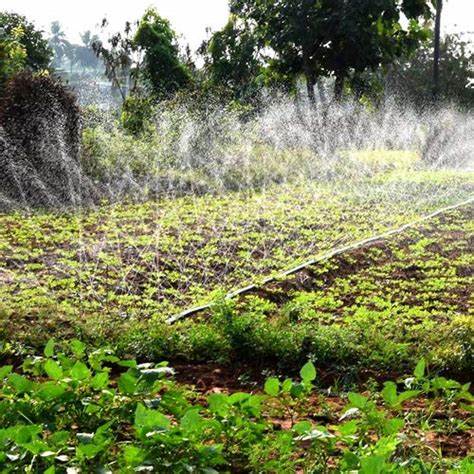
There are many reasons why sustainable agriculture and food production are of significant importance. Such practices facilitate the assurance of food security, which is contingent upon the increased availability and accessibility of nutritious food. Furthermore, these practices contribute to economic growth by creating employment opportunities and supporting livelihoods in both rural and urban areas. Furthermore, sustainable agriculture encourages environmental stewardship by reducing the carbon footprint of farming activities and preserving natural resources.
How might Rwanda promote sustainable agriculture and food production?
To achieve this goal, Rwanda could implement a combination of policy measures, invest in technology, and undertake capacity-building initiatives. Policymakers could establish supportive frameworks that encourage the adoption of sustainable practices. Investments in research and development could drive innovation in sustainable farming techniques. Training programs could equip farmers with the knowledge and skills needed to implement these practices effectively.

The agricultural and food production sectors in Rwanda have the potential to serve as significant drivers of sustainable economic growth and job creation. By adopting sustainable practices, Rwanda can enhance food security, stimulate economic growth, and safeguard the environment. As President Paul Kagame has observed, “Agriculture is the foundation of our economy, and by investing in sustainable practices, we can ensure a prosperous future for all Rwandans.” As the country continues to innovate and invest in its agricultural sector, sustainable agriculture will play a pivotal role in shaping a prosperous and resilient future.
@Rebero.rw
About The Author