You may only be able to ride one bike at a time, but what if you could use one two-wheeler to get the other to the trailhead
In recent years, motorcycles and bicycles have become integral components of Rwanda’s transportation infrastructure, playing a crucial role in facilitating movement and economic activities across urban and rural areas. However, despite their significance, many operators face severe financial strains and regulatory challenges, which ultimately gives rise to questions regarding the nature of this career as either a blessing or a burden.
This article employs an analytical approach to examine the current state of the motorcycle transport sector in Rwanda, underscoring pressing challenges, and proposing actionable solutions to enhance the livelihoods of motorcyclists and contribute to national development.
Who is Affected?
The stakeholders in this sector include:
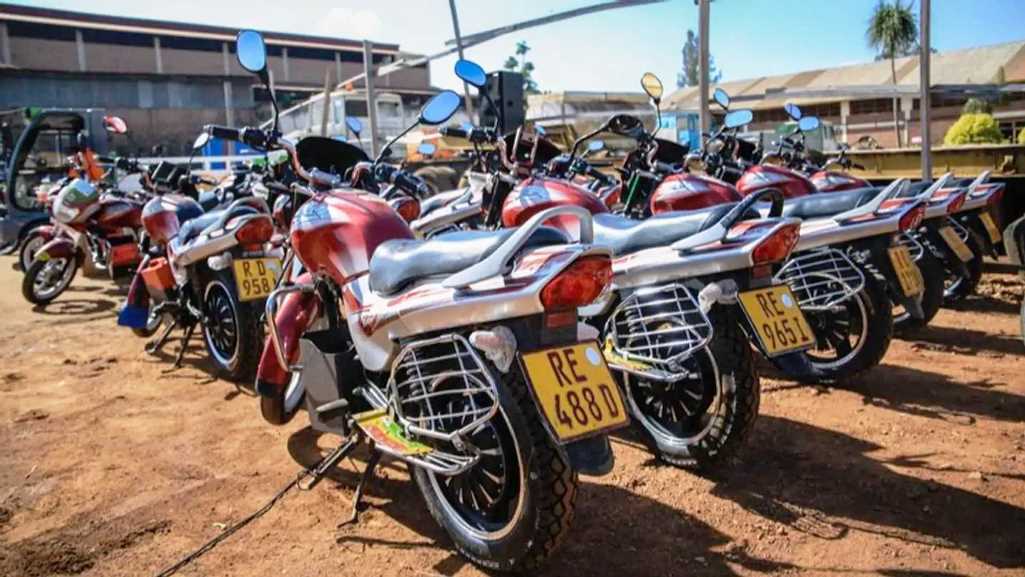
Motorcyclists: It is estimated that there are approximately 200,000 registered motorcycle operators, with around 150,000 of them directly involved as drivers and mechanics. The demographic composition of this group is predominantly youthful, with a significant proportion engaging in this sector to pursue economic opportunities.
Customers: Urban and rural residents depend on motorcycles for daily commuting and goods delivery.
Government: The entity in question is responsible for the regulation of the sector, the development of infrastructure, and the implementation of pertinent policies.
Business Entities: Manufacturers, repair shops, and financial institutions provide operational support through loan and insurance mechanisms.
What are the challenges associated with this phenomenon?
Despite its economic importance—accounting for approximately 1.2% of Rwanda’s GDP (Rwanda National Institute of Statistics, 2023)—motorcyclists encounter significant challenges such as:
The presence of inadequate infrastructure is a salient issue. Poor road conditions and a paucity of dedicated parking areas contribute to increased maintenance costs for operators.
Exorbitant Fines: Operators are subject to substantial fines, often amounting to 30,000 Rwandan francs (Frw) average daily, for minor infractions. These infractions are often reported by individuals lacking the necessary qualifications, who document plate numbers and submit them to the relevant authorities.
Financial Strain: The mean daily earnings of a prototypical motorcyclist amount to 5,000 Frw. However, after the deduction of fines, this results in a net loss of 25,000 Frw per day as an example. This has a substantial impact on their financial resources, impeding their capacity to cover living expenses, taxes, and family needs.
The temporal origins of this issue must be ascertained.
The introduction of motorcycles and bicycles as significant transportation options in Rwanda occurred in the early 2000s, coinciding with the nation’s economic development and urbanization initiatives. Concurrent with the evolution of the transport sector, the associated challenges have become increasingly evident, with inadequate infrastructure and regulatory issues emerging in recent years.
The location of this phenomenon is of particular interest.
The challenges are particularly acute in urban areas like Kigali, where heavy congestion and safety concerns coexist with a high density of motorcycle operators. Rural regions are similarly impacted, as motorcycles play a critical role in facilitating community connectivity to essential services, largely due to the scarcity of adequate public transportation options.
The underlying question guiding this inquiry is to ascertain the underlying causes of this phenomenon. The deleterious effects of these challenges pose a threat not only to the livelihoods of individual motorcyclists but also impede Rwanda’s economic aspirations, including job creation and the realization of national development goals. The financial constraints experienced by operators have a detrimental effect on their capacity to reinvest in their families and communities, thereby impeding the realization of objectives delineated in the National Vision 2030 and the National Strategy for Transformation (NST1).
What policy solutions might the government implement to address these issues?
To address the challenges encountered by motorcyclists, a series of targeted interventions are proposed:
Infrastructure Development: Investing in the enhancement of road conditions and the establishment of designated parking areas has been demonstrated to contribute to a reduction in maintenance expenditures (Ministry of Infrastructure, Rwanda, 2023).
Regulatory Reforms: The establishment of explicit guidelines for the imposition of fines is imperative, accompanied by the enhancement of the accountability of enforcement mechanisms to ensure the protection of qualified operators (Rwanda National Police, 2023).
The following programs advocate for the following causes: The establishment of an advocacy entity for motorcyclists is imperative to ensure the effective articulation of their concerns and needs to government entities.
Financial Support: The introduction of low-interest loans, subsidies, and affordable insurance options tailored for motorcycle operators is recommended to foster stability (Bank of Kigali, 2023).
Training Initiatives: The implementation of training programs centered on safe driving and emergency response is imperative to enhance the professionalism and safety of operators (Rwanda Transport Development Agency, 2023). Conclusion: The motorcycle and bicycle transport sector in Rwanda plays a vital role in the national economy and community connectivity. Nevertheless, the financial and regulatory challenges confronting motorcyclists have the potential to transform this seemingly viable career into a burdensome endeavor. By addressing infrastructural inadequacies, reforming regulatory practices, and providing essential support measures, the Rwandan government has the potential to empower motorcyclists and unlock the full potential of this sector. Such action promises to improve individual livelihoods and aligns with national development objectives, contributing significantly to the collective well-being of the population.
@Malliavin
About The Author