PsorAfrica issues urgent call from landmark IFPA (International Federation of Psoriasis Association) Forum in Kenya as patients across the continent struggle to access dermatologists, rheumatologists and life-changing treatment.
A person living with psoriasis in parts of Africa may wait years for a diagnosis, travel hundreds of kilometres to see a specialist, or never receive treatment at all. For many, the disease progresses beyond painful skin lesions into permanent disability, depression and isolation.
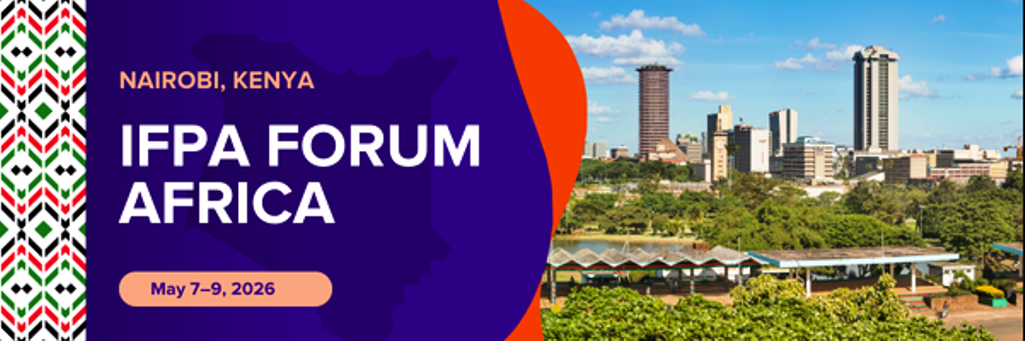
This is not because treatment does not exist, but because access remains deeply unequal. This stark reality took centre stage at the International Federation of Psoriasis Associations (IFPA) Forum in Nairobi, Kenya over the past few days.
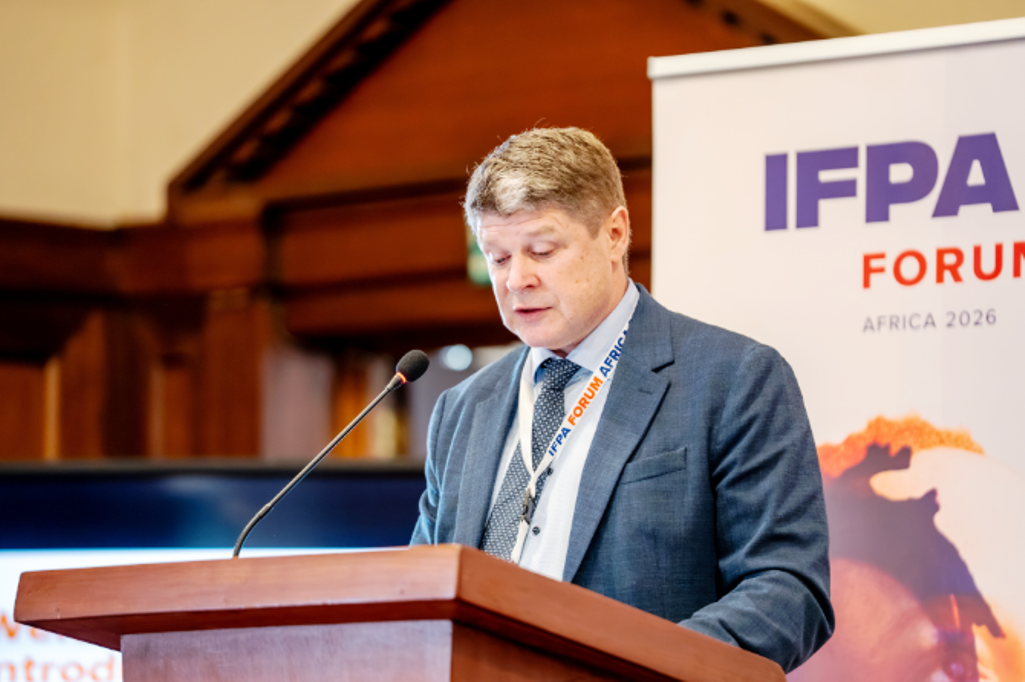
Opening the Forum, IFPA President Ingvar Ágúst Ingvarsson stressed that the event was designed to move psoriasis from the margins of healthcare discussions into policy conversations
Patient organizations, clinicians, researchers and global health leaders gathered to confront what advocates describe as a growing but neglected health crisis across the continent.
PsorAfrica says millions of Africans living with psoriasis are effectively being left behind by healthcare systems already stretched by workforce shortages, limited awareness and unequal access to medicine.
“Too many patients in Africa are suffering in silence,” says PsorAfrica chair Pierre Habiyaremye.
There are people who have gone years without a proper diagnosis. Some are treated repeatedly for the wrong condition. Others are living with severe pain because they have never seen a rheumatologist.
In some regions, there are simply too few specialists available, and even when patients are diagnosed, the medication they need is financially out of reach. Psoriasis is a chronic inflammatory disease linked not only to skin symptoms, but also to psoriatic arthritis, cardiovascular disease, diabetes, anxiety and depression.
Advocates say the condition is still widely misunderstood across Africa, where visible skin disease often carries intense stigma and misinformation. Patients report being socially excluded, judged in workplaces, questioned in schools and treated as though their condition is contagious.
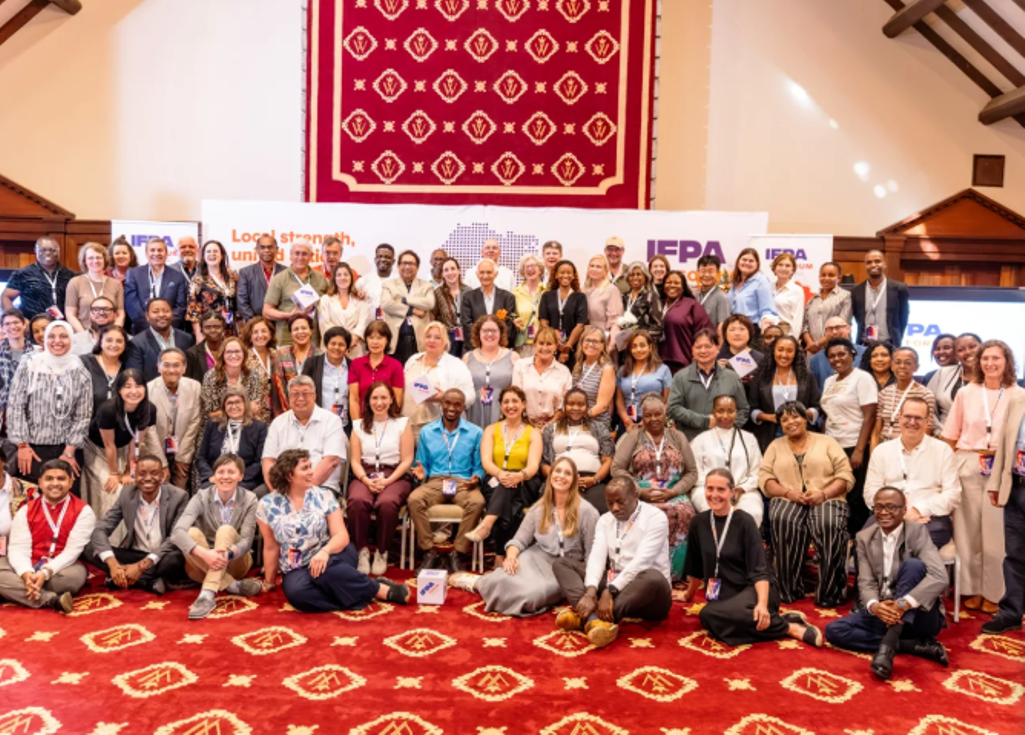
“People think psoriasis is cosmetic. It is not,” says Helen Wangui from the Psoriasis Association of Kenya. “It is painful. It is emotionally exhausting. It affects people’s ability to work, study, build relationships and participate fully in society. We have heard heartbreaking stories from patients who have withdrawn themselves from the public eye, or are battling mental health challenges.”
The crisis is compounded by severe shortages of dermatologists and rheumatologists across many African countries, particularly in rural and underserved areas. Experts at the Forum warned that delayed diagnosis of psoriatic arthritis can lead to irreversible joint damage and disability if not treated early.
The Forum also placed strong emphasis on youth advocacy, recognising the unique emotional, social and mental health challenges young people living with psoriasis face across Africa.
Young advocates participated in discussions around stigma, confidence, leadership and the urgent need for younger patient voices to be represented in healthcare conversations and policy decisions.
PsorAfrica says co-ordinated action is urgently needed because Africa cannot solve what it has not fully measured. While global prevalence estimates show that psoriatic disease affects millions of people, Africa still has limited country-specific data on prevalence, diagnosis, treatment access and patient outcomes. This lack of data makes the crisis easier to ignore and harder to fund.
PsorAfrica is calling for stronger collaboration between patient organisations, clinicians, researchers, policymakers and industry to build the evidence base, improve referral pathways, expand access to dermatologists and rheumatologists, and ensure that patients are not left invisible in health systems.
PsorAfrica is calling for urgent action, including:
• Improved training and awareness among frontline healthcare workers;
• Faster referral pathways and earlier diagnosis;
• Greater access to affordable medication and biologic therapies;
• Inclusion of psoriatic disease on national health agendas;
• Expanded African-led research and patient data collection;
• Stronger public awareness campaigns to combat stigma.
The organisation also urged pharmaceutical companies, policymakers and global health institutions to ensure Africa is not excluded from advances in treatment and research.
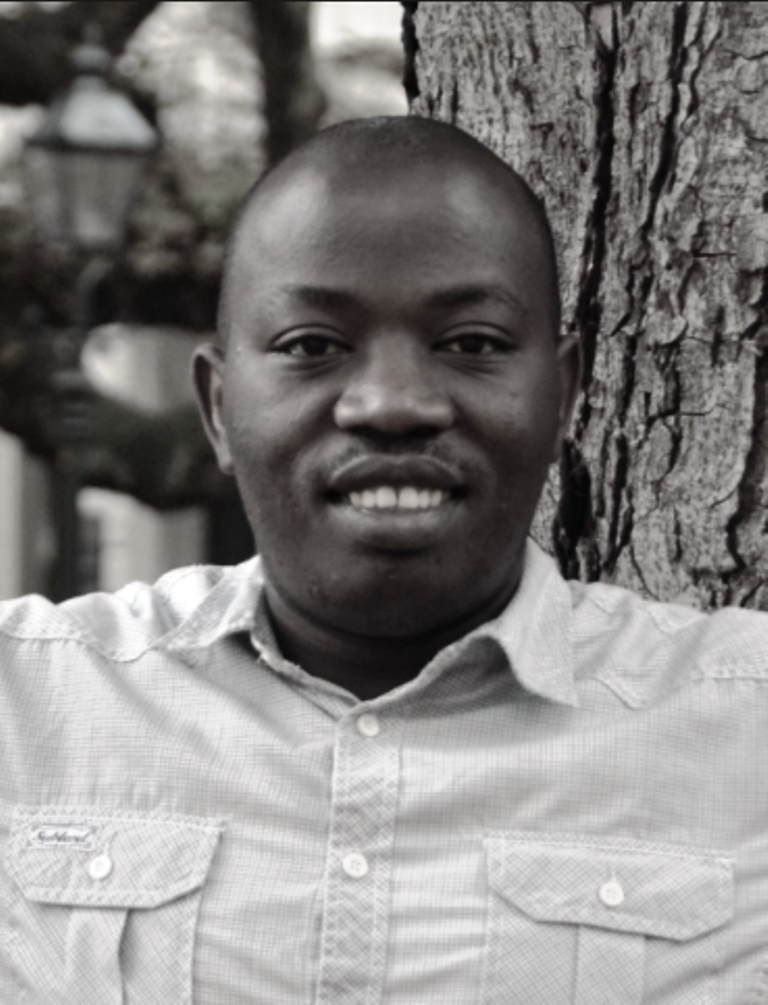
“The world cannot continue to innovate while African patients remain invisible,” said Habiyaremye.
“Health equity means every patient matter, regardless of where they live.”
The IFPA Forum 2006 is the first of its kind in Africa. The platform is dedicated to improving outcomes for people living with psoriatic disease in Africa.
@Rebero.rw
About The Author