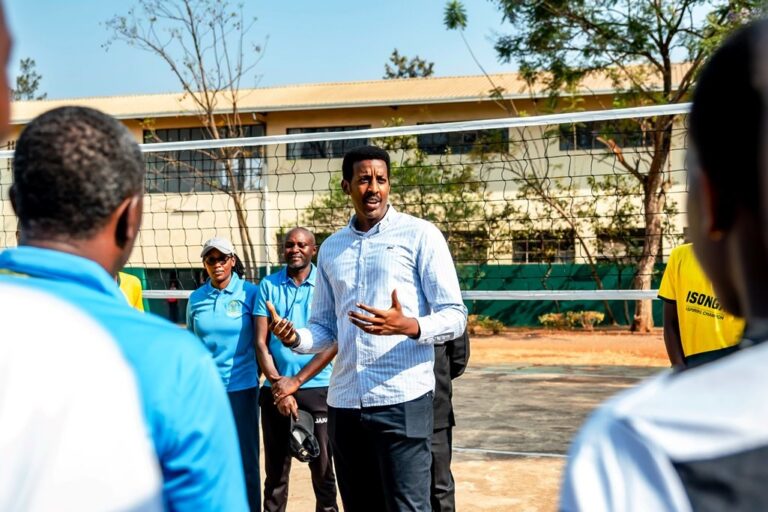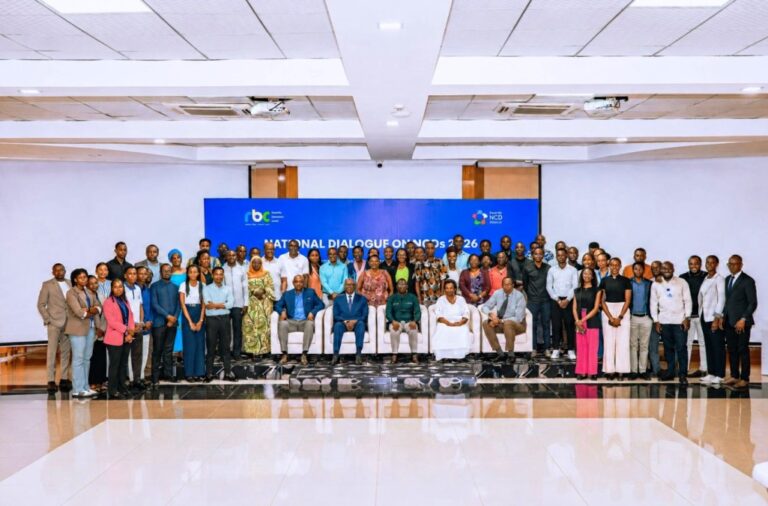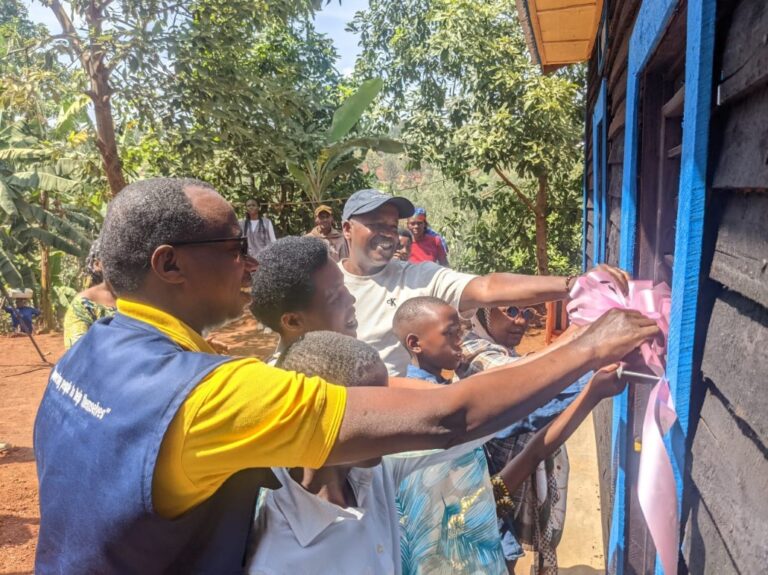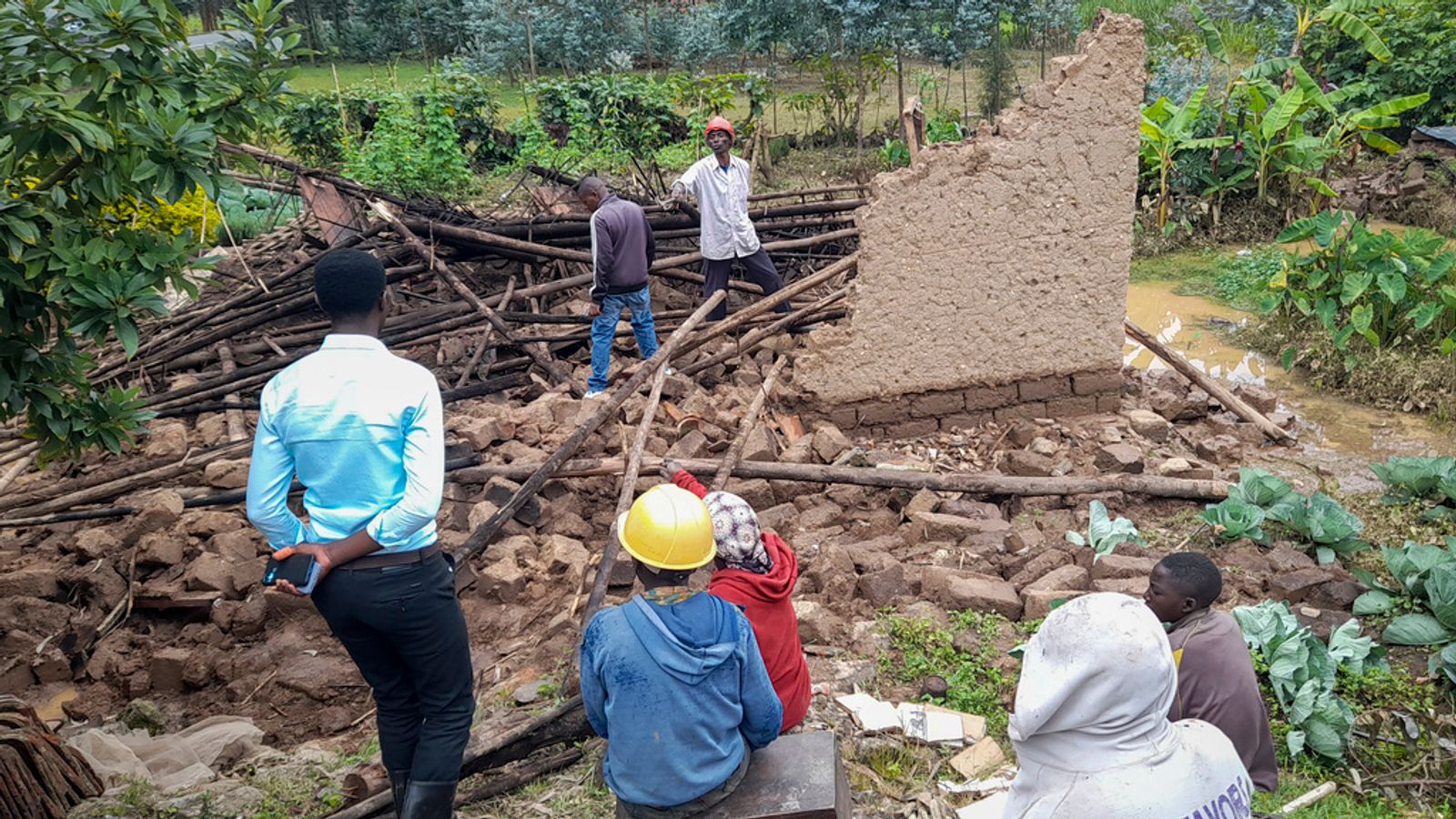
In Rwanda, disaster management is led by several key actors, each of which plays a critical role in ensuring effective preparedness and response. The main actor is the Ministry of Emergency Management (MINEMA), which is responsible for overseeing disaster preparedness, response, and recovery (MINEMA, 2022). Local authorities, including district and sectoral officials, are crucial for implementing disaster management plans at the community level (Rwanda Disaster Risk Reduction Plan, 2021).
In addition, non-governmental organizations (NGOs), both international and local, make an important contribution by providing support in resource allocation, training, and emergency response (International Federation of Red Cross and Red Crescent Societies, 2023). Community leaders are also crucial, leading and influencing their communities to ensure that disaster preparedness measures are understood and practiced (UNDP Rwanda, 2022).
Rwanda has implemented several measures to strengthen its disaster management capacity. A key component is the early warning system, which uses sophisticated meteorological instruments to provide timely warnings of impending natural disasters such as floods and landslides (World Meteorological Organization, 2022).
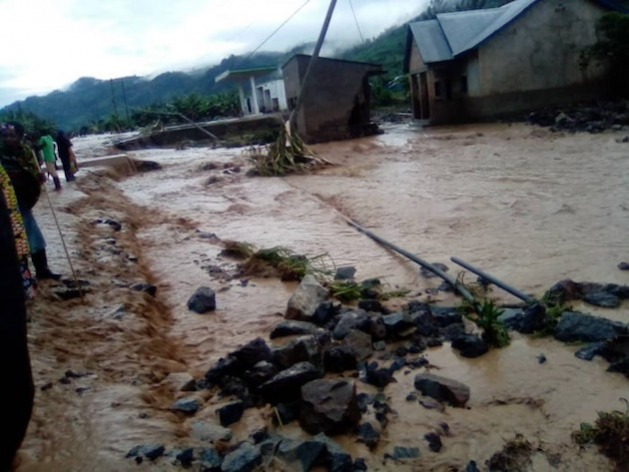
Disaster response plans have been developed to ensure effective coordination between national and local authorities during emergencies (Rwanda Disaster Management Policy, 2023). Infrastructure development is also prioritized, with investments in improved drainage systems and resilient buildings to mitigate the impact of natural disasters (World Bank, 2023).
In addition, community-based programs will provide training and simulation exercises to equip local communities with the skills needed to effectively prepare for and respond to disasters (Save the Children, 2023).
The question thus arises as to the temporal aspect of the matter. The implementation of disaster management strategies in Rwanda is an ongoing process, though particular emphasis is placed on their implementation during specific periods. The impact of seasonal changes is also notable, with intensified strategies deployed during the rainy season or periods susceptible to specific natural hazards, such as floods or landslides (Rwanda Meteorological Agency, 2023).
In advance of anticipated disaster events, such as heavy rains, the government conducts awareness campaigns and readiness drills to prepare communities (MINEMA, 2022). After the occurrence of a disaster, post-disaster evaluations are conducted to assess the efficacy of the response and to update plans for future improvements (Rwanda National Disaster Management Report, 2023).
The geographical focus of disaster management efforts in Rwanda is diverse, with activities concentrated in specific areas according to the prevailing risk profile.
The geographical scope of Rwanda’s disaster management efforts encompasses a range of areas, each with unique requirements. To address the specific vulnerabilities of high-risk areas, such as flood-prone zones and mountainous regions susceptible to landslides, targeted interventions are implemented (UNDP, 2022).
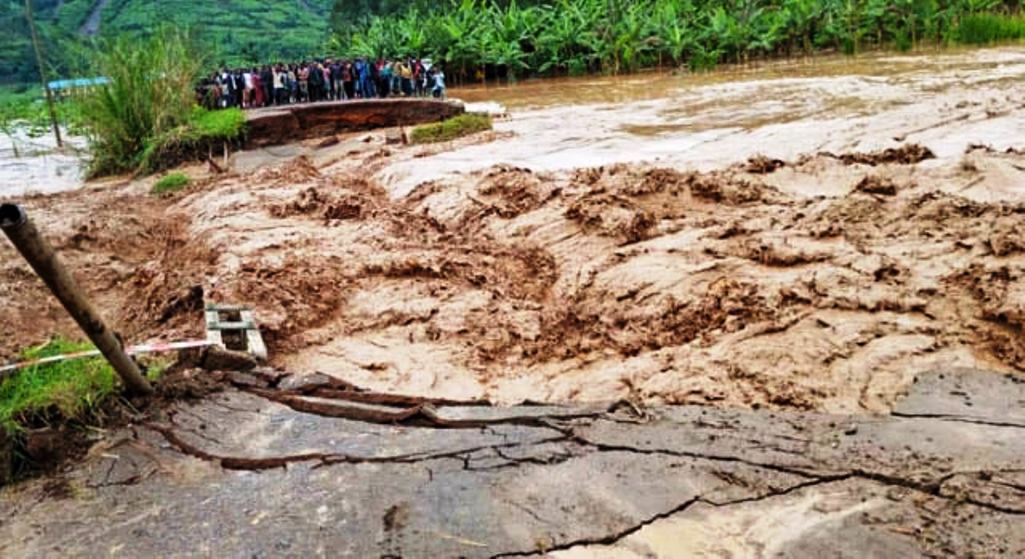
Disaster preparedness programs are implemented in both urban and rural areas, with approaches that are tailored to the specific needs of each (International Organization for Migration, 2023). These initiatives are implemented at both the national and local levels, ensuring that strategies are adapted to different scales and contexts (Rwanda Disaster Risk Reduction Plan, 2021).
The rationale behind this decision is based on many key factors. Rwanda’s geographical vulnerability renders it susceptible to a range of natural hazards, including floods, landslides, and droughts (World Bank, 2023). Disasters have considerable economic and social impacts, affecting livelihoods, infrastructure, and economic stability. Effective preparedness strategies assist in mitigating these risks and limiting long-term damage (UNDP, 2022).
Furthermore, there are humanitarian concerns about the assurance of the safety and well-being of citizens. The overarching objective of these initiatives is to safeguard lives and bolster community resilience (Save the Children, 2023).
The question thus arises as to how this may be achieved. The implementation of disaster management strategies in Rwanda is a multifaceted process. Effective coordination and planning are essential, necessitating regular meetings and collaboration among government bodies, NGOs, and community leaders to ensure the effectiveness of disaster management plans (Rwanda Disaster Management Policy, 2023).
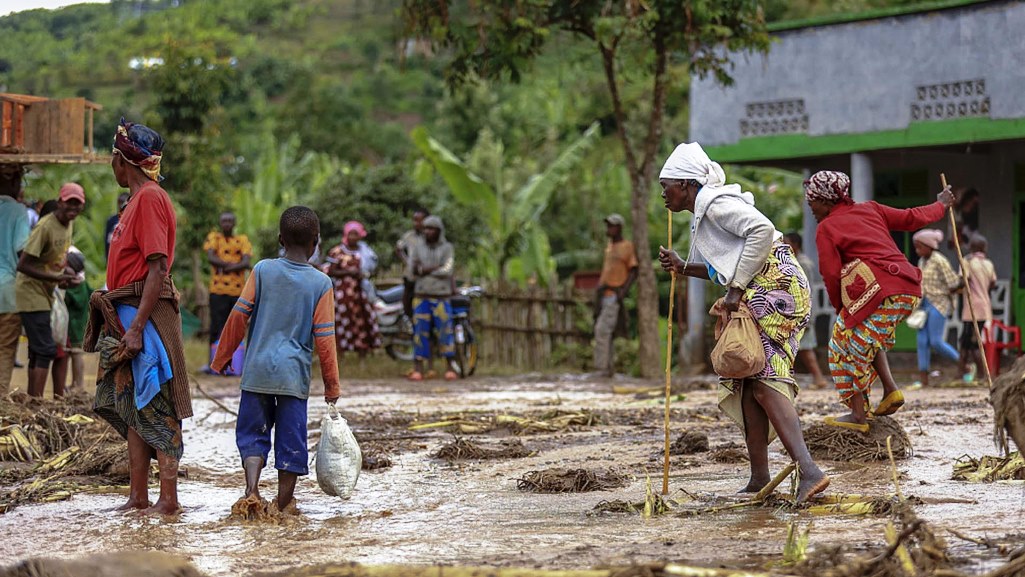
Training and drills are of paramount importance, with ongoing programs and simulation exercises designed to equip both officials and community members with the requisite knowledge and skills to respond effectively to potential emergencies (International Federation of Red Cross and Red Crescent Societies, 2023).
Public awareness campaigns are conducted to educate the public about potential risks and safety measures (UNDP Rwanda, 2022). Ultimately, the allocation of resources is of paramount importance. Sufficient financial, material, and human resources must be dedicated to the implementation of these strategies in an effective manner (World Bank, 2023).
Rwanda’s proactive approach to disaster management is evident through its well-structured strategies and the active involvement of various stakeholders. By focusing on comprehensive preparedness measures, timely response, and community engagement, Rwanda aims to mitigate the impacts of natural disasters and enhance resilience. Despite ongoing challenges, the country’s commitment to improving disaster management highlights its dedication to safeguarding lives and securing a more resilient future.
@Rebero.rw
About The Author