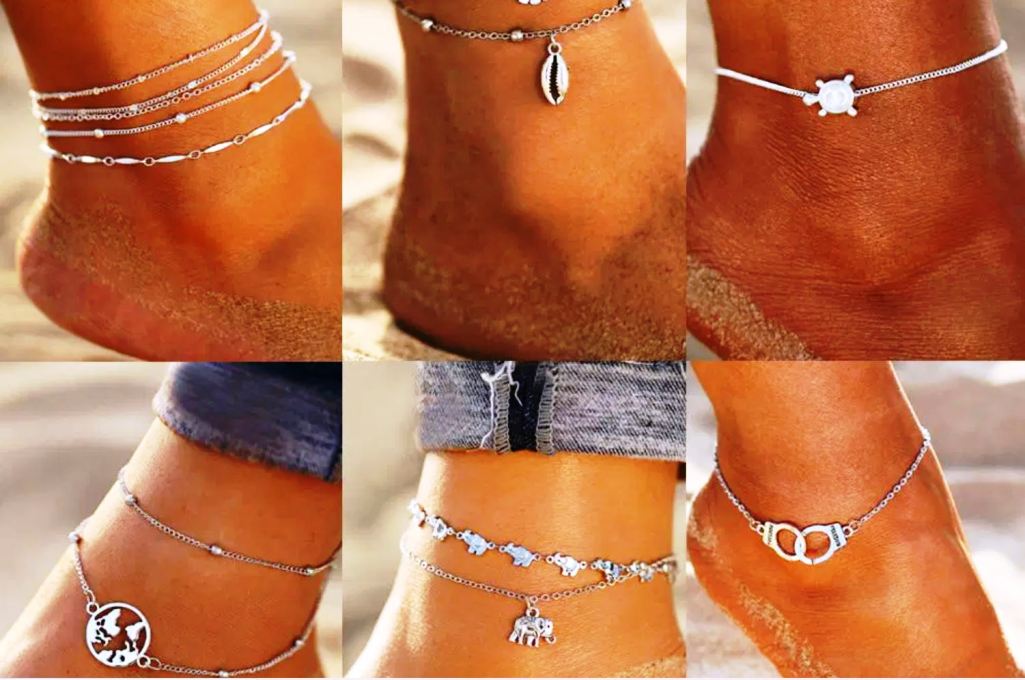
The Anklet tradition across cultures: A cross-cultural analysis anklets have been worn for centuries and have transcended geographical and cultural boundaries, becoming one of the world’s most enduring fashion accessories. They are a global symbol of elegance, identity, and style.
From ancient civilizations to modern societies, the anklet has been imbued with many meanings, serving as symbols of status, beauty, spirituality, and personal expression. The anklet can be seen as a reflection of humanity’s collective yet nuanced cultural history. To fully comprehend the significance of the anklet, it is essential to examine its role in various cultures. An investigation into the evolution of this tradition in contemporary Rwanda will follow this.
Anklets in Indian culture a symbol of marital status and auspiciousness
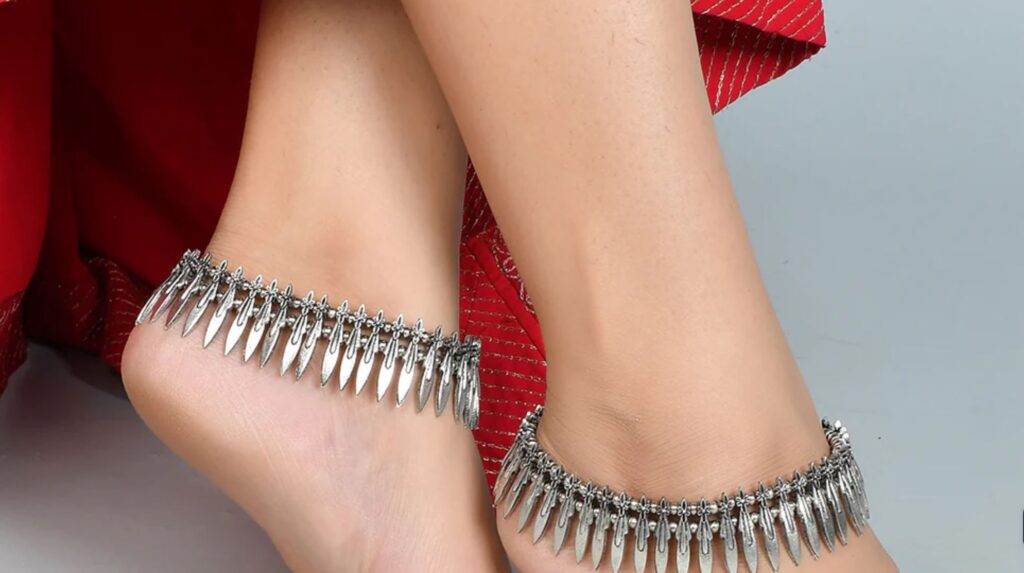
In Indian culture, anklets, known as Payal or Pajeb, are deeply rooted in tradition and are often worn by women as a sign of marital status and prosperity. Typically crafted from silver, these intricate pieces are embellished with small bells that produce a subtle tinkling sound, symbolizing the arrival of a new bride into her marital home. Anklets are typically worn on both ankles and have been historically associated with positive outcomes, including good fortune, health, and femininity.

In certain Indian communities, anklets are also worn by young girls, serving as a protective charm and a marker of family honor. During traditional festivals or celebrations such as weddings, women typically wear more ornate anklets, often featuring intricate designs and precious stones. Anklets in Indian culture possess a dual significance, serving both an aesthetic purpose and as a conduit for deeply held spiritual and cultural values. They are thus an integral part of the nation’s heritage.
Anklets in Ancient Egyptian Society: Markers of Social Status and Wealth
In ancient Egypt, both men and women wore anklets, which were regarded as symbols of social status and wealth. The materials used to craft anklets, which included gold, silver, and gemstones, indicated the wearer’s rank and position within society. Nobles and royals typically wore anklets made of precious metals. Archaeological evidence indicates that anklets were frequently interred with the deceased, which suggests that they held significant afterlife significance. Anklets in ancient Egypt were believed to possess protective qualities that served to ward off evil spirits and ensure safe passage to the afterlife, irrespective of the wearer’s social status. Therefore, they were not merely an ornamental item but served as a powerful amulet that connected the wearer to divine and mystical forces.
Anklets in African Cultures: Anklets have historically served as symbols of beauty, ritual, and identity in many African cultures. They have been used to enhance a woman’s beauty, signify her marital status, or mark important life events. In the Maasai community of East Africa, anklets are part of a broader tradition of beaded jewelry that indicates social standing, age, and achievements. These anklets are frequently crafted from natural materials such as leather, beads, and metal, symbolizing a connection to the land and the community’s rich cultural heritage.
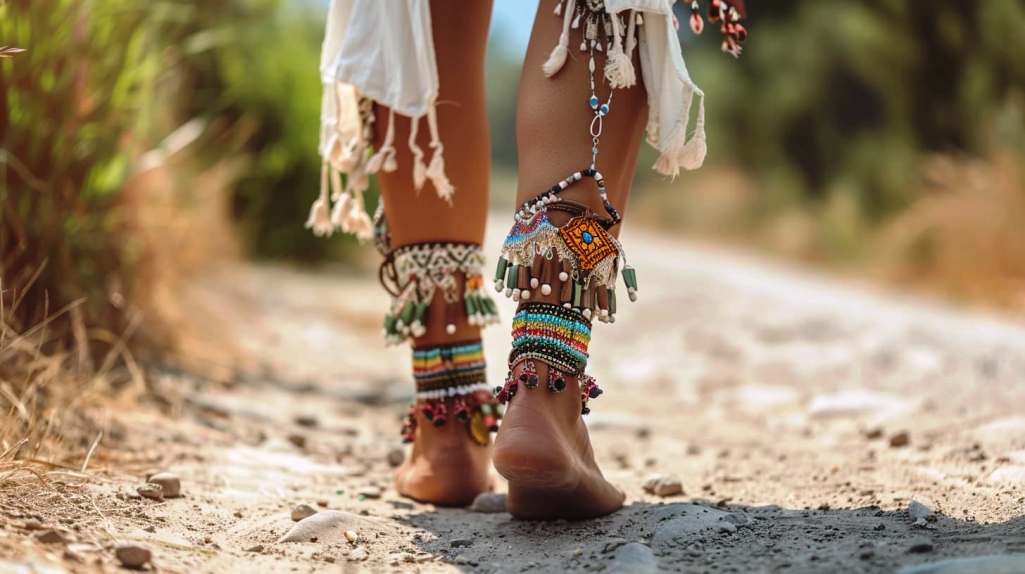
In West African cultures, such as those of the Yoruba people in Nigeria, anklets are worn during traditional dances and celebrations. Each anklet reflects the wearer’s creativity, wealth, and aesthetic taste. The movement of anklets during dance is thought to enhance the rhythmic movements and facilitate a connection between dancers and ancestral spirits. In these contexts, anklets are not merely decorative items; rather, they are deeply embedded in the rituals and spirituality of the people.
Anklets in Western Fashion A Trend of Individuality and Style
In Western societies, anklets experienced a surge in popularity during the 1960s and 1970s, becoming emblematic of freedom and individual expression during the bohemian and hippie movements. Anklets were regarded as a departure from traditional, more conservative fashion norms and became associated with a carefree, adventurous lifestyle. In the present day, anklets are worn primarily as fashion accessories, appreciated for their versatility and ability to complement casual attire, beachwear, or even more sophisticated outfits.
The recent resurgence of the anklet, particularly among millennials and Generation Z, can be attributed to its proliferation on social media platforms such as Instagram and TikTok. Anklets are being employed by younger generations in Western societies as a means of making bold fashion statements, frequently being combined with other types of jewelry to create a layered, contemporary look. In this context, anklets are regarded as emblems of trendiness, youthfulness, and personal style.
Anklets in the Middle East and South Asia: Adornments of Femininity and Cultural Pride
In Middle Eastern and South Asian cultures, anklets are traditionally worn as part of bridal jewelry sets, signifying femininity, modesty, and cultural pride. In countries such as Saudi Arabia and the United Arab Emirates, anklets are frequently worn during weddings or other festive occasions to complement traditional jewelry, including necklaces, earrings, and bracelets. However, due to the prevalence of conservative dress norms in some regions, the visibility of anklets in everyday attire may be limited.
In contrast, in parts of South Asia, such as Bangladesh and Sri Lanka, anklets are worn more informally and are not confined to bridal or festive settings. In this context, they are regarded as emblems of youth and beauty, frequently bestowed upon young girls or transmitted across generations. The selection of materials, whether gold, silver, or beads, frequently reflects the socioeconomic background and personal preferences of the wearer.
We now return to the subject of Rwanda. The Evolving Symbolism of Anklets in a Modern Context.
A distinctive transformation has occurred in the tradition of anklets in Rwanda. In contrast to the traditions described above, the significance of anklets in Rwanda is not as clearly defined. Traditionally, they were worn during cultural dances or ceremonies, where they symbolized grace and beauty. However, they were never as deeply embedded in societal norms as they were in India or Egypt. The function and significance of anklets in Rwanda have undergone a notable transformation in recent times. In contemporary Rwandan society, particularly among the younger generation in urban areas, anklets are primarily regarded as a fashion accessory. Anklets are now regarded as emblems of modernity, elegance, and personal expression. This shift reflects broader changes in Rwandan fashion and social dynamics, whereby the younger generation is increasingly drawing inspiration from global trends while redefining what it means to be Rwandan.
As Rwanda continues to position itself as a hub for innovation, creativity, and cultural exchange in East Africa, the anklet has become a part of this modern narrative. Local designers are combining traditional motifs with modern aesthetics, resulting in anklets that appeal to both cultural pride and contemporary style. This evolving role of anklets demonstrates Rwanda’s receptivity to diverse fashion influences and its youth’s aspiration to express their identity in novel and creative ways. It can be stated that Anklets as a Reflection of Rwanda’s Evolving Identity.
Historically understated in Rwandan culture, anklets have emerged as symbols of the nation’s evolving identity and fashion consciousness. Although they may not possess the same profound traditional significance observed in other global contexts, anklets in Rwanda are gaining prominence as expressions of elegance, individuality, and modernity. As Rwanda’s fashion landscape continues to evolve under global trends, anklets are likely to remain a cherished accessory that bridges tradition and contemporary style, reflecting the country’s journey of cultural evolution and self-expression.
@Rebero.rw
About The Author